
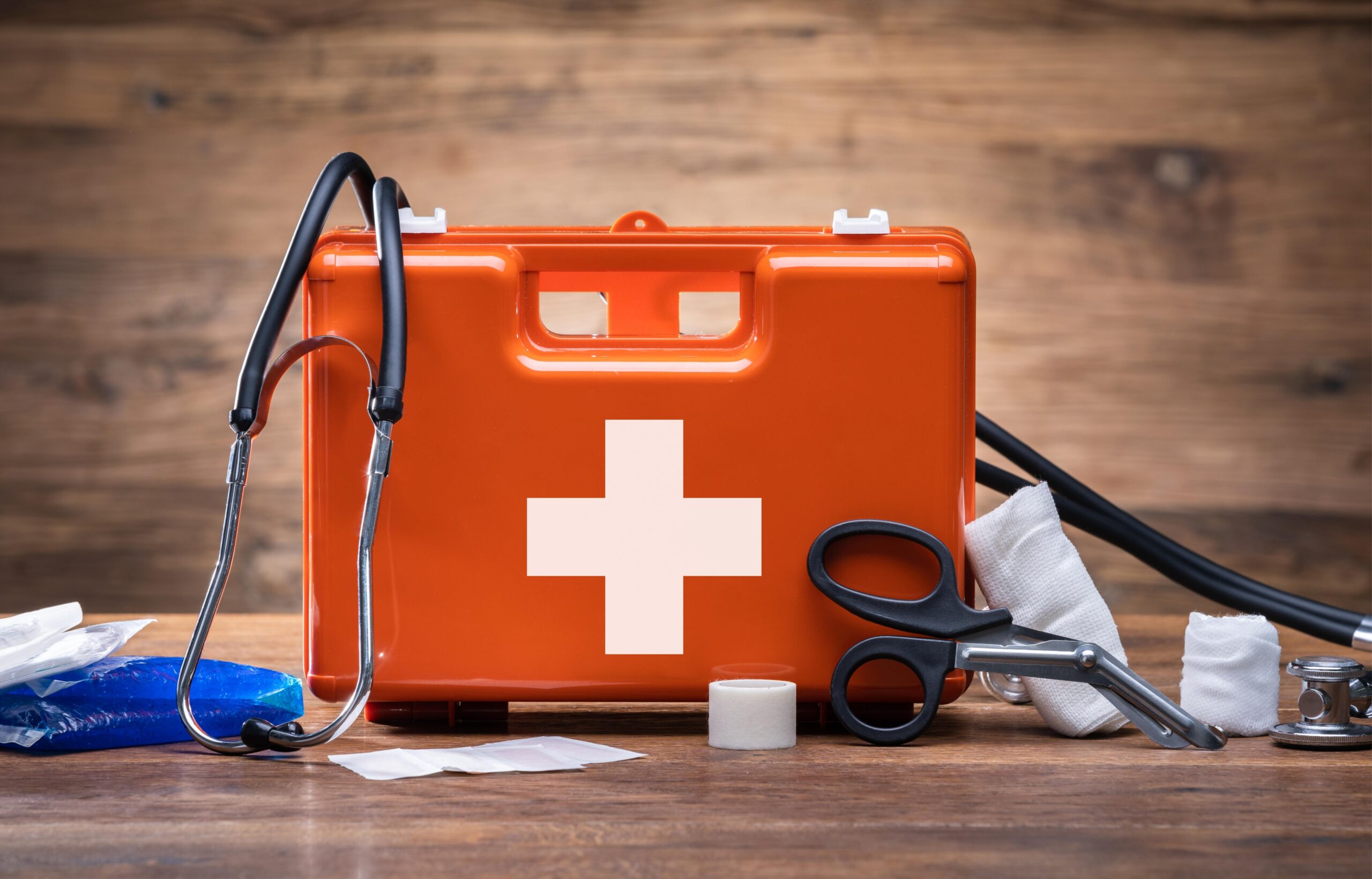
On active construction jobsites, hazards are constant. Falls, struck-by incidents, medical emergencies, electrical exposure, and equipment-related injuries can happen in seconds. When they do, waiting for emergency services is not enough. That is why First Aid, CPR, and AED readiness is not just another requirement. It is a critical layer of protection that directly impacts survival, recovery, jobsite confidence, and overall project performance.
Your crew is the first responder. How they respond in the first few minutes can determine everything that follows.
Why First Aid & CPR/AED Matter in Construction
Construction environments create a unique level of risk because crews work around heavy equipment, moving materials, elevated work, fall hazards, electrical exposure, and large or remote jobsite layouts. These conditions increase both the likelihood and severity of injuries.
When a serious incident occurs, time becomes the most important factor. Brain damage can begin within minutes when oxygen is not restored. Severe bleeding can become life-threatening quickly. Shock can set in fast if the situation is not controlled.
Emergency medical response time often depends on jobsite location, access conditions, traffic, distance, and whether responders can quickly reach the injured worker.
The gap between incident and EMS arrival is where lives are saved—or lost. That gap is filled by trained workers, clear procedures, and proper equipment.
The Hidden Cost of Being Unprepared
A lack of emergency preparedness does not just impact the injured worker. It affects the entire project, the crew, the company, and the jobsite culture.
-
Response Time Increases
When crews are not trained, people hesitate. Confusion sets in. Workers may not know who is trained, who should call 911, where the First Aid kit is located, or where the AED is stored.
-
Injuries Become More Severe
A situation that could have been controlled, such as severe bleeding, airway issues, or cardiac arrest, can escalate when immediate care is delayed.
-
Financial Impact Grows
- Higher workers’ compensation claims
- Increased insurance pressure
- Potential OSHA scrutiny
- Project delays and downtime
- Lost productivity and morale
-
Morale Takes a Hit
Crews remember how emergencies are handled. If the response is chaotic or ineffective, confidence drops across the jobsite. Just like poor safety management can lead to incidents, poor emergency readiness can amplify the consequences of those incidents.
Preparedness Creates Control
Prepared jobsites operate differently. They are not scrambling when something happens. They are executing a plan.
Preparedness looks like multiple trained individuals across crews, clearly marked First Aid kits and AEDs, workers who understand emergency procedures, and supervisors who take ownership of the response.
When something happens, the crew knows what to do: someone calls 911 immediately, someone begins care, and someone directs responders to the scene. That level of coordination only comes from intentional preparation.
The “Someone Else Will Handle It” Problem
One of the most dangerous mindsets on a jobsite is assuming someone else will take care of the emergency.
Workers may assume the safety person, superintendent, foreman, or another trained worker will handle it. In reality, the closest person to the incident often matters most. Critical seconds are lost when responsibility is not clear.
Training changes that. When workers are trained, they recognize emergencies faster, take action without hesitation, and understand their role in the response.
Ownership replaces hesitation. That shift alone can save lives.
Building a Culture of Emergency Readiness
Emergency readiness is not just about equipment. It is about culture.
On strong jobsites, crews are confident in their ability to respond, communication is clear during high-stress situations, and workers support each other without hesitation.
That culture does not happen by accident. It comes from repeated training, leadership involvement, refreshers, and real-world scenario discussions.
5 Key First Aid & CPR/AED Strategies for Construction Jobsites
-
Train More Than the Minimum
Minimum compliance is not enough. You need more than one or two people trained!
- Train multiple workers per crew
- Include both supervisors and field employees
- Provide bilingual First Aid / CPR / AED training when needed
- Refresh training before skills become stale
-
Make AEDs Visible and Accessible
AEDs save lives! Have them clearly labeled, visible, easy to access, maintained, and located within a practical walking distance of active work areas.
If workers have to search for the AED, valuable time has already been lost.
-
Maintain Fully Stocked First Aid Kits
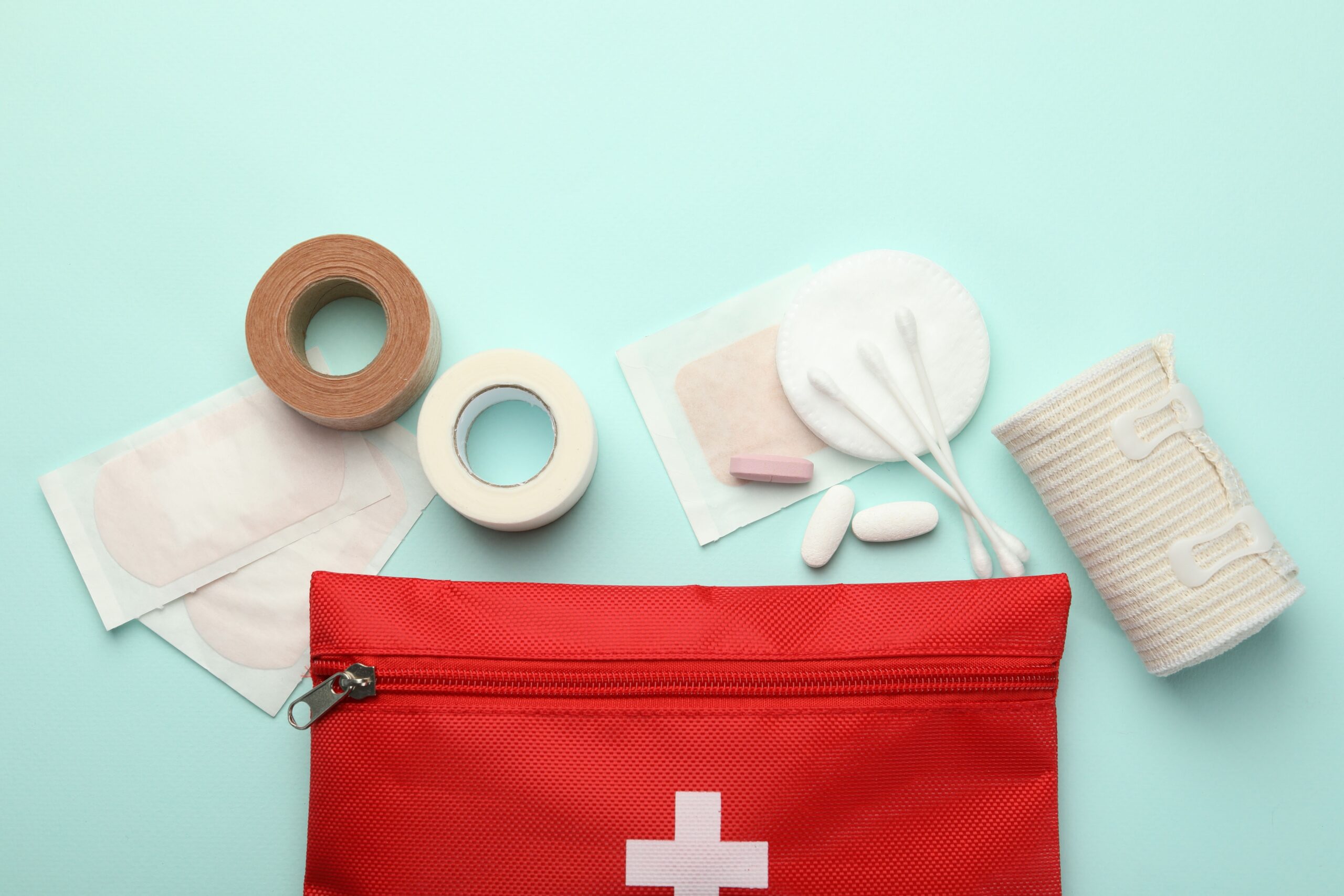
First Aid kits should match the jobsite, not just meet a minimum checklist. Common issues include missing supplies, expired items, kits locked away, or kits located too far from the work.
- Bleeding control supplies
- Bandages and wraps
- Gloves, masks, and other basic PPE
- Site-specific additions based on the scope of work First aid kit. Different medical supplies on light blue background, flat lay
- A clear inspection and restocking process
-
Integrate Emergency Response Into Toolbox Talks
Do not only talk about hazards. Talk about what happens after something goes wrong.
- What do we do if someone falls here?
- Who calls 911?
- Where is the nearest AED?
- Who meets emergency responders at the gate?
- What is the fastest route to the injured worker?
These conversations turn training into real-world readiness.
-
Practice Emergency Action Plans
Plans are only effective when workers understand them. Every jobsite should identify emergency access routes, the nearest hospital or urgent care, first responder meeting points, and assigned roles such as caller, responder, and guide.
Even a quick five-minute walkthrough can make a major difference when the pressure is real.
Leadership’s Role in Emergency Preparedness
Supervisors set the tone. If leadership treats First Aid and CPR as “just another requirement,” crews will too.
When leaders ask about training status, check equipment, reinforce expectations, and include emergency response in daily planning, it creates accountability across the jobsite.
Good leadership does not just prevent incidents. It prepares crews to respond when incidents happen.
The ROI of First Aid & CPR/AED Training
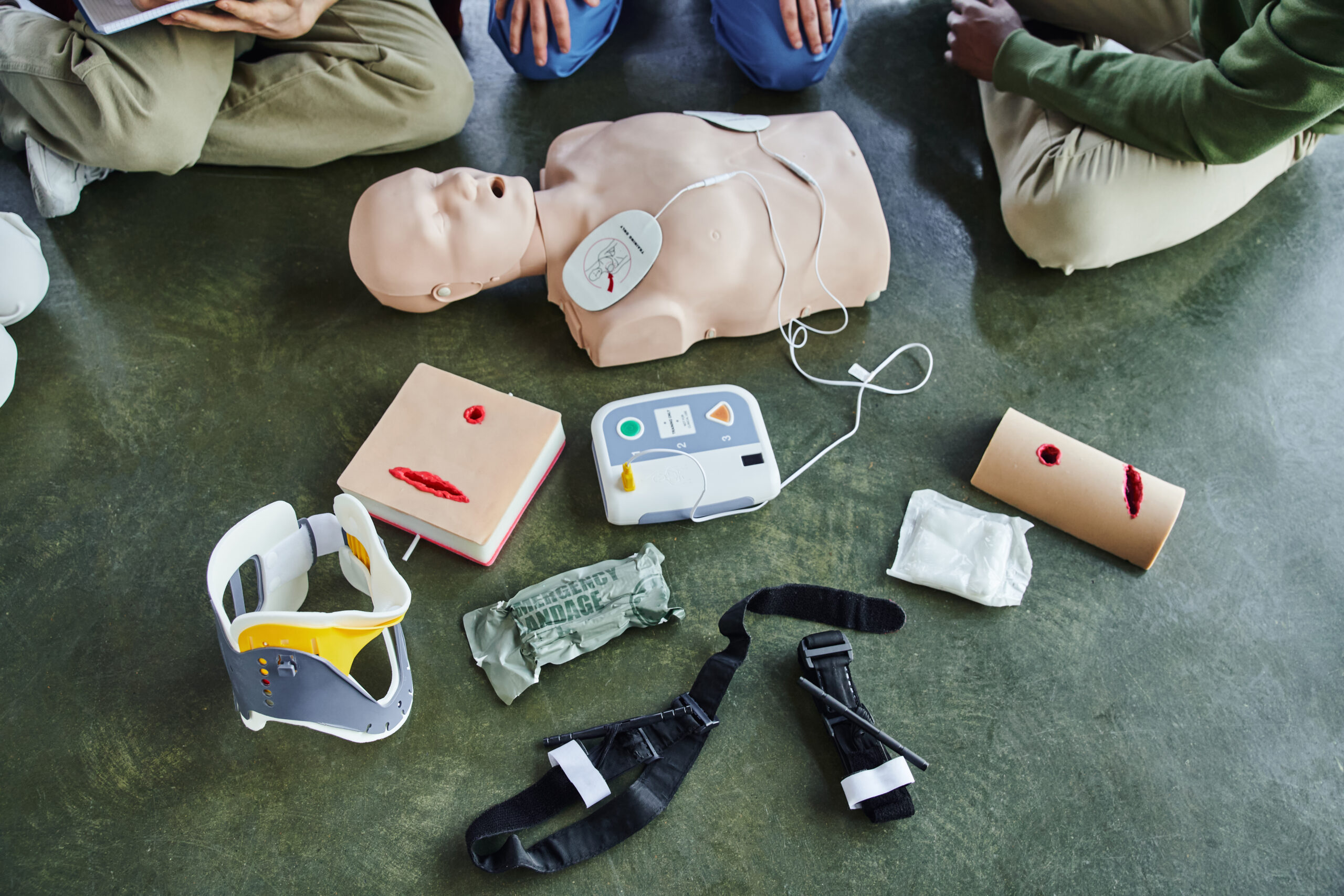
Investing in emergency preparedness delivers both human and financial returns.
Direct Benefits
- Faster response times
- Reduced injury severity
- Increased survival potential
- Better coordination during high-stress events
Indirect Benefits
- Lower claim severity
- Fewer delays and shutdowns
- Stronger worker confidence
- Improved company reputation
- A stronger safety culture
Safety is not just a cost. It is an investment. Emergency preparedness is one of the highest-impact investments a contractor can make.
Final Thoughts: Preparedness Saves Lives
Everything comes back to one reality: you do not rise to the level of expectation—you fall to the level of training.
On a construction jobsite, emergencies are unpredictable, time is critical, and response matters. Prepared crews act faster, communicate better, reduce severity, and save lives.
Take the Next Step With Trivent Safety Consulting
Whether you are running a single project or managing multiple sites, emergency preparedness must be a priority.
Trivent Safety Consulting provides First Aid / CPR / AED training in English and Spanish, Emergency Action Plan development, jobsite safety audits, and hands-on, real-world training scenarios. If you need training or more information check us out www.triventsc.com. We do not just check boxes. We prepare crews for real situations.
Ready to strengthen your jobsite’s emergency response? Contact Trivent Safety Consulting!
No comment yet, add your voice below!