Why Effective Training Improves Safety and Productivity

Introduction

Safety training is a core part of any strong construction safety program, but too often it is treated like a requirement to complete instead of a tool that improves performance. Companies may hold a class, collect signatures, and move on, but that approach alone does not change behavior in the field. Effective safety training should help workers recognize hazards, understand expectations, and apply safe work practices in real jobsite conditions.

In construction, training should do more than satisfy compliance obligations. It should support safer decisions, stronger crews, and more consistent operations. When workers understand the hazards tied to their tasks and know how to respond, incidents can be reduced, communication improves, and projects move with fewer disruptions.

Why Safety Training Matters in Construction

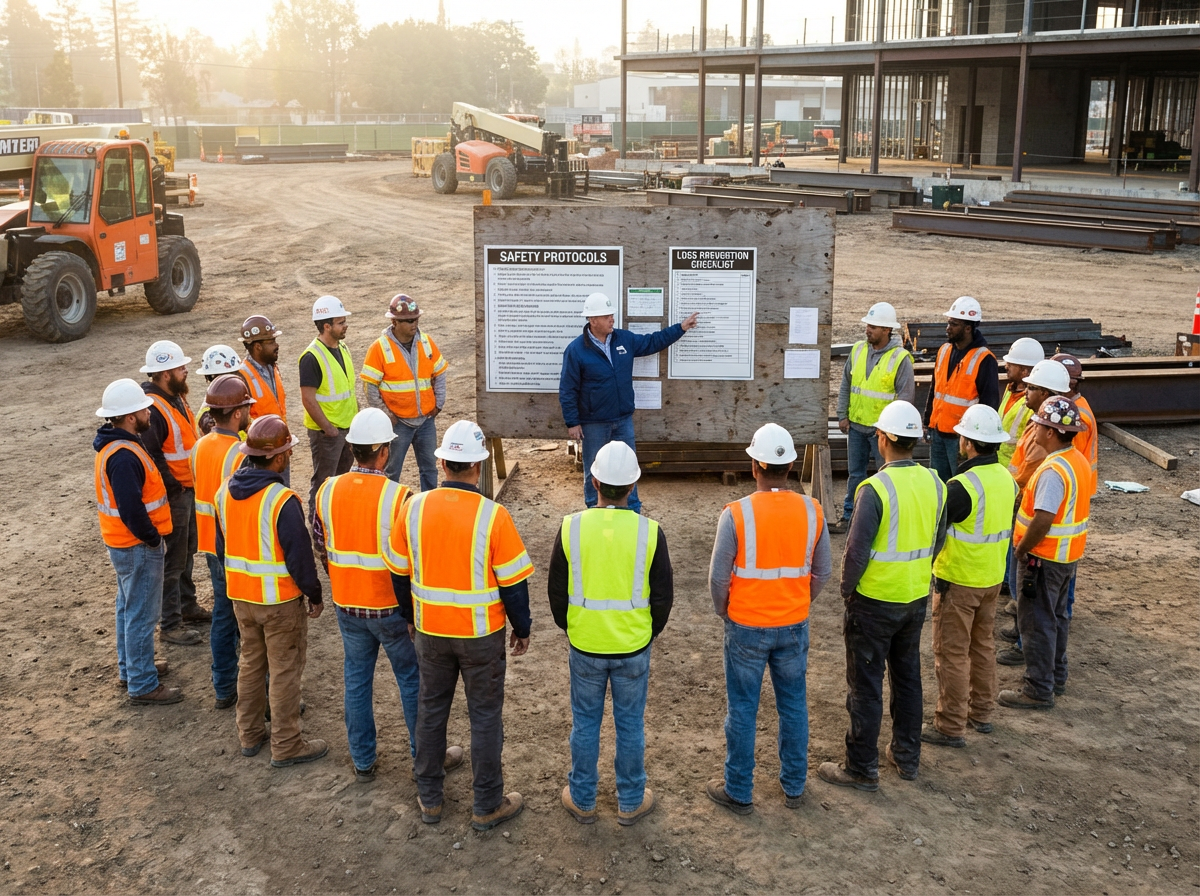
Construction jobsites change constantly. Crews, trades, equipment, tasks, and work environments shift throughout a project. Because of that, safety training cannot be treated as a one-time event. Workers need training that matches the real hazards they face, whether that involves fall protection, confined space entry, excavation safety, rigging, equipment operation, or general hazard awareness.

Effective safety training matters because it helps workers:

  • recognize unsafe conditions before an incident occurs
  • understand how to perform tasks more safely
  • respond correctly to changing site conditions
  • build confidence in procedures and expectations
  • support a stronger safety culture across the project

When training is done well, it protects workers while also supporting operations. Safer crews often work with fewer interruptions, fewer repeated mistakes, and less preventable rework.

The Difference Between Checking a Box and Real Training

One of the biggest problems in the construction industry is checkbox training. This happens when training is delivered only to satisfy a requirement, with little attention to whether the material is relevant, understood, or applied in the field.

Real training looks different. It is:

  • specific to the work being performed
  • tied to actual jobsite hazards
  • delivered in a language workers understand
  • reinforced by supervisors in the field
  • supported with practical examples and hands-on learning

Workers are more likely to retain information when training reflects the conditions they actually face. A generic presentation may satisfy a requirement, but it often does little to prepare a crew for the real exposures on a project.

What Effective Safety Training Looks Like

Strong safety training should be practical, clear, and jobsite-focused. In construction, that means the training should connect directly to the tasks workers are performing and the risks surrounding those tasks.

Effective safety training often includes:

  • task-specific instruction
  • hazard recognition tied to the current work phase
  • hands-on demonstrations
  • real-world jobsite examples
  • bilingual delivery when needed
  • reinforcement during pre-task planning, inspections, and supervision

Good training also respects timing. If a crew is about to begin new work involving excavation, aerial lifts, fall exposure, or confined space hazards, training should support that phase of work before exposure occurs. Timely training is more useful than broad instruction that is disconnected from the field.

Common Reasons Safety Training Fails

Safety training usually does not fail because the topic is unimportant. It fails because the delivery misses the needs of the workforce or the reality of the jobsite.

Common reasons training falls short include:

  • content that is too generic
  • delivery that is too lecture-heavy
  • lack of hands-on learning
  • poor timing
  • no field reinforcement after the class
  • language barriers
  • no clear link between the training and the actual work

When training is disconnected from daily operations, workers may attend but not apply what they learned. That gap is where risk grows.

How Better Safety Training Supports Productivity

Safety and productivity are often treated like competing priorities, but strong safety training supports both. When workers understand hazards, expectations, and procedures, they tend to work with more consistency and fewer preventable disruptions.

Better safety training can help reduce:

  • repeated unsafe behaviors
  • avoidable incidents and near misses
  • equipment misuse
  • confusion about procedures
  • rework caused by poor planning or poor execution

It can also improve communication between workers, supervisors, and safety personnel. That makes the jobsite more stable and easier to manage.

A Better Approach to Construction Safety Training

Companies that want better results should expect more from their training programs. A strong approach to safety training asks:

  • What hazards are crews facing right now?
  • What work phase is coming next?
  • What does the worker need to understand and do differently?
  • How will supervisors reinforce the training in the field?
  • How will we know the training was effective?

Those questions help move training beyond compliance and toward real field impact.

Final Thoughts

Safety training is one of the few safety investments that can influence every part of a project. It affects how workers think, how supervisors lead, and how crews respond to risk. When training is practical, timely, and relevant, it becomes more than a class. It becomes part of how the jobsite operates.

Construction companies should not settle for training that only checks a box. The goal should be training that improves awareness, strengthens habits, and helps crews work more safely and effectively every day.

Train With Trivent Safety Consulting

At Trivent Safety Consulting, safety training should prepare workers for real jobsite conditions, not just satisfy a requirement. Training programs should be practical, engaging, and relevant to the hazards crews face in the field. From OSHA classes to site-specific and bilingual training, the focus should be on helping companies build safer, better-prepared teams.

Check out our class schedule to learn more about safety training programs and onsite training options https://www.triventsc.com/upcoming-courses/.

The Importance of Regular Site Safety Inspections in Preventing Accidents

From construction sites to manufacturing plants, ensuring workplace safety is crucial for preventing accidents and protecting employees. One of the most effective ways to maintain a safe working environment is through regular site safety inspections. Not only do these inspections identify potential hazards before they cause harm, but they also help companies comply with regulations and avoid costly fines. In this blog post, we’ll dive into the importance of regular site safety inspections and how they can prevent accidents from occurring in the first place. So, grab your hard hat and let’s get started!

What is a Site Safety Inspection?

A site safety inspection is a formalized process in which a trained individual or team audits a construction site for hazards. The purpose of a site safety inspection is to identify potential safety and health hazards, and to recommend corrective actions to improve safety and health conditions at the worksite.

To be effective, site safety inspections must be conducted regularly, and should be documented in a written report. Site safety inspectors should have knowledge of OSHA standards relevant to the construction industry, as well as experience in conducting Safety audits.

Why are Site Safety Inspections Important?

As construction site safety becomes an increasingly important topic of discussion, more and more emphasis is being placed on the importance of regular safety inspections. Construction site safety inspections are critical to preventing accidents because they help identify potential hazards before they become a problem.

Inspections also help ensure that all workers on a construction site are following safety protocols and procedures. By identifying potential hazards and ensuring that all workers are following safety procedures, construction site safety inspection can play a vital role in preventing accidents.

Who Performs Site Safety Inspections?

There are a variety of professionals who can perform site safety inspections, depending on the type of business and the work being done. For example, construction sites will typically have competent persons who check for hazards and compliance with safety regulations. Manufacturing plants should also have a dedicated competent person on staff.

In many cases, it is the responsibility of the site superintendent or foreman to ensure that regular safety inspections are conducted and that any hazards are addressed in a timely manner. However, it may be a good idea to hire an external professional to conduct periodic inspections, as they will be able to provide an unbiased assessment of the workplace.

What are the Benefits of Regular Site Safety Inspections?

Regular site safety inspections are critical for preventing accidents on construction sites. By identifying potential hazards and addressing them before they become a problem, inspectors can help keep workers safe and prevent costly accidents.

Some of the benefits of regular safety inspections include:

  1. Reduced risk of accidents: By identifying potential hazards before they become a problem, inspectors can help reduce the risk of accidents on construction sites.
  2. Improved worker safety: By addressing potential hazards before they become a problem, inspectors can help improve worker safety on construction sites.
  3. Reduced costs: By preventing accidents, regular safety inspections can help reduce the costs associated with construction site accidents.

How often Should Site Safety Inspections be Done?

It is important to have regular site safety inspections to help prevent accidents. But how often should these inspections be done?

There is no one answer to this question as it will depend on the specific site and its hazards. However, most experts agree that inspections should be done at least once a week.

Some factors that will affect how often inspections should be done include:

  • The type of work being done on the site
  • The number of workers on the site
  • The size of the site
  • The hazards present on the site

What Happens if a Violation is Found During a Site Safety Inspection?

If a violation is found during a site safety inspection, the inspector will work with the site manager to develop a corrective action plan. This plan will outline the steps that need to be taken to correct the violation and prevent future accidents. The site manager will be responsible for implementing the corrective action plan and ensuring that all employees are trained in the new procedures.

Conclusion

In conclusion, regular site safety inspections are essential for the prevention of accidents and ensuring a safe work environment. Regular inspections can identify potential hazards before they become an issue, allowing employers to address any risks quickly. By prioritizing workplace safety, employers can not only guarantee their staff’s well-being but also ensure business continuity and protect their organization from costly liabilities.


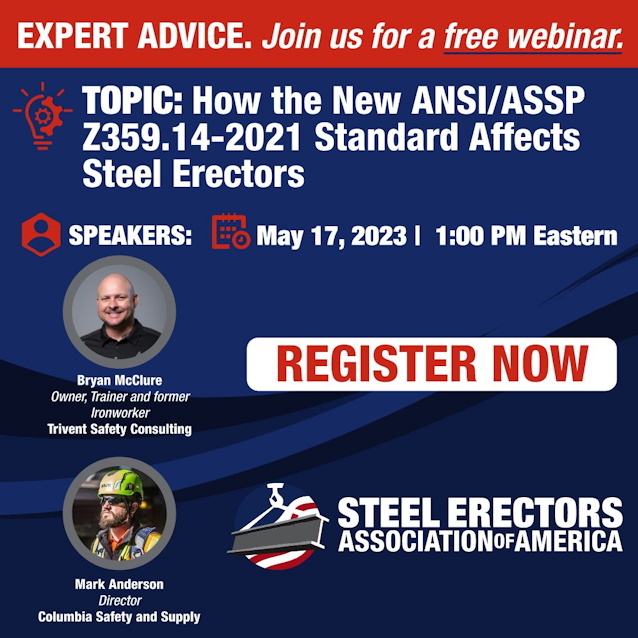
FREE Webinar: How the New ANSI/ASSP Z359.14-2021 Standard Affects Steel Erectors

Free Webinar

FREE WEBINAR: May 17, 2023 (1pm EST)

Are you curious about the new ANSI/ASSP Z359.14-2021 Standard and how it will affect end users and Steel Erection companies? Then join us for an exciting webinar on the topic! Sign up here.

This webinar will provide an overview of the standard and how it differs from the previous version. Additionally, we will discuss how end users and steel erection companies can benefit from its implementation, as well as what manufacturers are ahead of the curve.

Finally, we will answer any questions that you may have about the standard.

So, whether you’re a safety professional, a company representative, or just someone who is interested in learning more about this topic, join us for this informative webinar!

Speakers: Bryan McClure of Trivent Safety Consulting and Mark Anderson of Columbia Safety

Free Webinar

SIGN UP TODAY!


Open House for Trivent Safety Consulting

OPEN HOUSE & SILENT AUCTION:
Free refreshments and an opportunity to learn about Trivent Safety Consulting.

Come join us for our Open House and a Silent Auction.
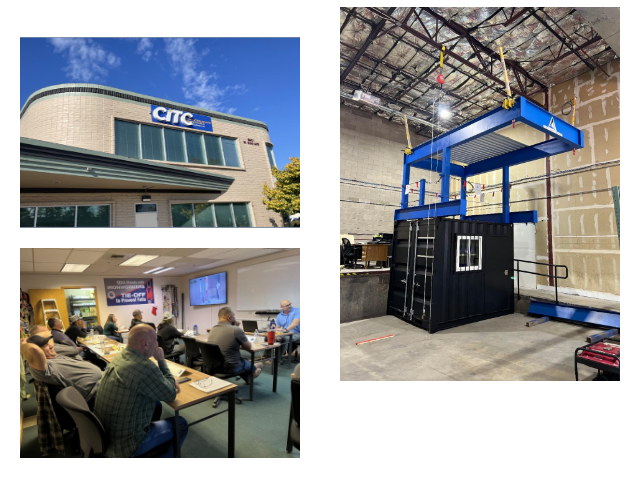
See our training facility and rescue tower.
Learn more about our capabilities and how we can help your company out!

April 21st 12pm – 4pm
9901 W 50th Ave
Wheat Ridge CO 80033

BOOK NOW