
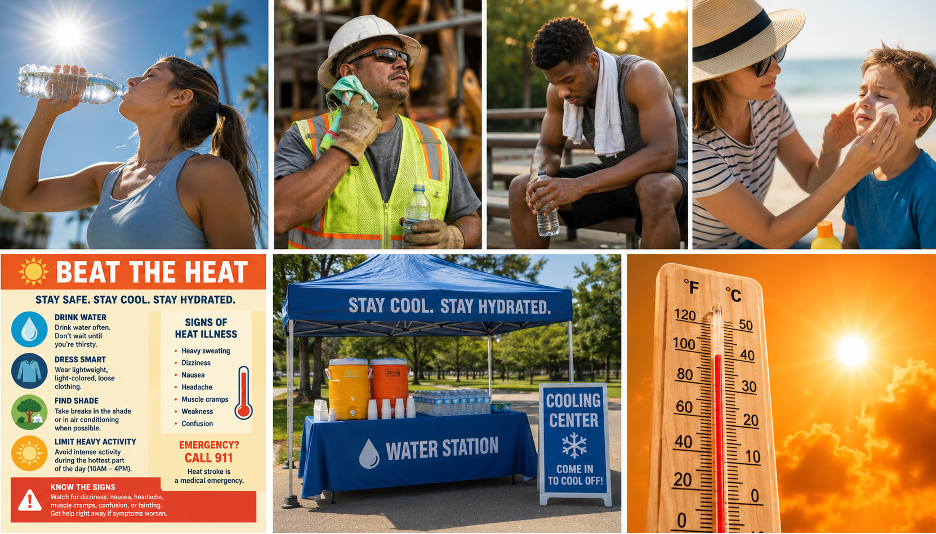
Construction safety does not stop when the weather gets hot. In fact, as temperatures rise, summer heat can quickly turn routine work into a serious medical emergency if crews are not prepared. Therefore, employers and field leaders must plan ahead with water, rest, shade, acclimatization, and clear heat illness response procedures. Outdoor workers are exposed to direct sun, high temperatures, humidity, reflective surfaces, heavy PPE, long shifts, and physically demanding tasks. On a construction site, those conditions can quickly lead to heat rash, heat cramps, heat exhaustion, or heat stroke. Heat safety in construction needs to be a priority.
The good news is that heat-related illnesses are preventable when employers and field leaders plan ahead. Hydration, shade, cooling breaks, acclimatization, job planning, and emergency response awareness all play a critical role in protecting workers.
Water. Rest. Shade. Awareness. Those four ideas should be built into every summer jobsite safety plan.
Why Summer Heat Is a Serious Construction Safety Hazard
The body naturally cools itself through sweating. But during high heat, humidity, direct sunlight, or heavy physical activity, that cooling process can become overwhelmed. Once the body can no longer regulate its temperature effectively, the worker’s condition deteriorates quickly.
Construction workers are especially vulnerable because the work often requires lifting, carrying, climbing, bending, walking long distances, operating equipment, wearing PPE, and performing repetitive tasks in exposed areas. Heat does not only create a health issue; it affects production, decision-making, reaction time, morale, and overall jobsite performance.
A strong heat safety program helps crews recognize symptoms early, respond before conditions worsen, and prevent a heat-related event from becoming a medical emergency.
Signs and Symptoms of Heat-Related Illness
Heat-related illness can show up in different ways. Some symptoms appear minor at first, but they should never be ignored. Early recognition is one of the most important tools a crew has.
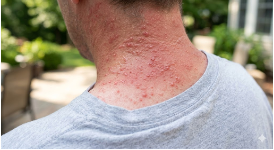
Heat Rash
Heat rash appears as small red bumps or itchy skin caused by trapped sweat. Workers should cool down, keep skin dry, and wear breathable clothing when possible.
Heat Cramps
Heat cramps are painful muscle cramps or spasms that may occur during or after heavy sweating. The worker should stop activity, rest in a cooler area, hydrate, and stretch the affected muscles.
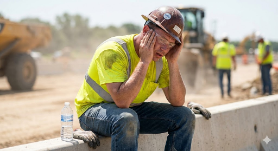
Heat Exhaustion
Heat exhaustion includes dizziness, weakness, nausea, heavy sweating, headache, fatigue, or a rapid pulse. The worker should be moved to a cool or shaded area, given water if they are alert, and monitored closely. If symptoms worsen or do not improve, escalate to emergency medical care.
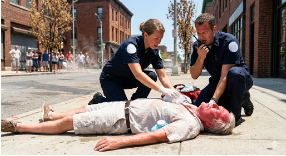
Heat Stroke
Heat stroke is a medical emergency. Warning signs may include confusion, collapse, seizure, loss of consciousness, hot skin, or altered behavior. Call 911 immediately and begin cooling efforts while waiting for emergency responders.
Heat Illness Symptoms Chart
| Heat Illness | Common Symptoms | Recommended Action |
| Heat Rash | Red bumps, itchy skin | Cool down, keep skin dry, and wear breathable clothing when possible. |
| Heat Cramps | Muscle spasms, sweating, discomfort | Rest, hydrate, stretch, and monitor the worker. |
| Heat Exhaustion | Dizziness, nausea, weakness, heavy sweating, headache, fatigue | Move to a cool area, hydrate if alert, remove excess PPE, and monitor closely. |
| Heat Stroke | Confusion, collapse, seizure, loss of consciousness, hot skin, altered behavior | Call 911 immediately and begin active cooling efforts. |
The Hidden Cost of Poor Heat Safety Planning
Heat illness affects more than the individual worker. A poorly managed heat exposure can impact the entire project.
- Response time increases when crews do not know the warning signs or who should take action.
- Injuries and illnesses become more severe when early symptoms are ignored.
- Productivity drops when workers become fatigued, dehydrated, or mentally foggy.
- Jobsite morale suffers when employees believe production is being prioritized over worker health.
- Companies may face increased scrutiny, claims, downtime, and preventable operational disruption.
Heat safety is not just a compliance topic. It is a leadership, planning, and production issue.
5 Key Heat Safety Strategies for Construction Jobsites
1. Build Heat Safety Into the Daily Plan
Heat controls should be discussed before work begins. Supervisors should evaluate weather, task intensity, PPE requirements, access to water, shade availability, emergency access, and crew acclimatization. Heat safety should be part of the pre-task plan, not an afterthought.
2. Provide Water, Rest, and Shade
Workers should have easy access to drinking water throughout the day. Cooling breaks should be planned, communicated, and adjusted based on conditions. Shade or air-conditioned recovery areas should be practical and accessible, not located so far away that workers avoid using them.
3. Acclimate Workers Gradually
New workers, returning workers, and employees coming back after time away from the heat are at higher risk. Gradually increasing exposure allows the body to adapt. Acclimatization is especially important during the first hot days of the season and after major weather changes.
4. Train Crews to Recognize Symptoms Early
Every worker should know the difference between heat rash, heat cramps, heat exhaustion, and heat stroke. Crews should be encouraged to speak up early when they feel dizzy, weak, nauseated, confused, or unusually fatigued. Waiting too long can turn a manageable issue into a life-threatening emergency.
5. Prepare for Emergency Response
If a worker shows signs of heat stroke, the crew must act quickly. The emergency plan should identify who calls 911, who begins cooling efforts, who meets responders, where the nearest access point is, and how to direct EMS to the worker. Large jobsites should consider maps, gate numbers, GPS coordinates, and designated responder routes.
Practical Jobsite Heat Safety Checklist
- Drinking water is available, visible, and replenished throughout the day.
- Shade or cooling areas are identified and communicated to the crew.
- Heat breaks are built into the work plan and adjusted as conditions change.
- Supervisors monitor new, returning, and high-risk workers more closely.
- Crews understand the warning signs of heat exhaustion and heat stroke.
- Supervisors should encourage workers to report symptoms early without fear of appearing weak.
- Crews should schedule heavy work during cooler parts of the day when feasible.
- Field leaders should also consider PPE, clothing, and task intensity during planning.
- Emergency access routes are clear and communicated.
- The crew knows who calls 911 and who meets emergency responders.
Leadership’s Role in Heat Illness Prevention
Supervisors and foremen set the tone. If leadership treats heat safety as a minor inconvenience, crews may ignore symptoms, skip water, push through breaks, or fail to report concerns. That is when risk increases.
Strong leaders talk about heat before it becomes a problem. Leaders check on workers, adjust the plan, reinforce hydration, watch for behavioral changes, and make it clear that reporting symptoms early is expected. A worker who speaks up early may prevent an emergency later in the day.
The ROI of Heat Safety Training
Heat illness prevention delivers both human and operational returns.
Direct Benefits
- Fewer heat-related incidents
- Faster symptom recognition
- Better emergency response
- Reduced severity of medical events
Indirect Benefits
- Improved productivity during hot weather
- Less downtime and disruption
- Stronger worker confidence
- Better supervisor accountability
- A stronger safety culture
Prepared crews perform better because they are not guessing. They understand the risk, recognize the warning signs, and know what to do when conditions change.
Final Thoughts: Heat Safety Saves Lives
As temperatures rise, so does the risk of heat-related illness. Fortunately, most heat emergencies are preventable with proper awareness, preparation, and field leadership.
Construction crews work hard in difficult conditions. Protecting those workers means planning for heat, providing water and shade, encouraging rest, recognizing symptoms early, and responding quickly when someone is in trouble.
Remember: Water. Rest. Shade. Awareness.
Take the Next Step With Trivent Safety Consulting
Trivent Safety Consulting helps contractors strengthen jobsite safety through training, inspections, consulting, emergency planning, and field-focused support. Heat safety can be delivered as a toolbox talk, supervisor training topic, jobsite safety discussion, or part of a summer safety program.
Trivent also offers safety training and support in English and Spanish. As a result, crews can better understand critical safety information in the language that works best for them, which helps improve communication, participation, and jobsite follow-through.
Ready to improve heat safety on your jobsite? Contact Trivent Safety Consulting to schedule heat safety training, toolbox talks, audits, or jobsite safety support. https://www.triventsc.com/upcoming-courses/
No comment yet, add your voice below!