
Mental Health in Construction Safety
Every day in construction, workers are reminded about physical hazards. We talk about fall protection, trench safety, struck-by incidents, electrical hazards, heavy equipment, and the importance of making it home safely at the end of the shift. Toolbox talks, safety meetings, and jobsite inspections are all designed to protect workers from the dangers they can see.
But there is another hazard affecting the construction industry that often goes unnoticed because it cannot be seen with the naked eye: mental health struggles.
May is Mental Health Awareness Month
There may not be a better time for the construction industry to have an honest conversation about the emotional and mental challenges many workers face every day.
After more than a collected 75 years working alongside construction crews, operators, laborers, foremen, ironworkers, welders, superintendents, and safety professionals, one thing becomes clear very quickly — many hardworking people are carrying an enormous amount of pressure. Financial stress, relationship issues, chronic pain, long hours, exhaustion, anxiety, depression, and substance abuse problems are more common in construction than many people realize.
Unfortunately, many workers still feel like they have to keep those struggles to themselves.
For generations, construction workers have been taught to “push through it,” stay tough, and keep moving no matter what is happening personally. While toughness and grit are part of what makes this industry strong, there is a difference between being resilient and suffering in silence.
The truth is this: asking for help is not weakness.
In many cases, it is one of the strongest decisions a person can make. Construction work is demanding in ways that people outside the industry often do not fully understand. Long shifts, physically exhausting labor, travel away from home, production pressure, difficult schedules, and uncertainty about future work can all create significant emotional stress over time. Add physical injuries, fatigue, and financial pressure into the equation, and it becomes easy to understand why mental health challenges can become overwhelming for some workers.
According to the CDC, construction workers experience one of the highest suicide rates of any profession in the United States. That statistic alone should be enough to get the industry’s attention.
This is not somebody else’s issue.
This is affecting real people on real jobsites every single day.
One of the biggest barriers to improving mental health in construction is the culture surrounding it. Many workers still believe they cannot admit they are struggling because they fear being judged, viewed differently, or seen as unreliable. Some workers worry that speaking up could impact their reputation, their hours, or their ability to provide for their families.
As a result, many people stay quiet until things become unbearable.
Mental health struggles do not always look obvious on the surface either. A worker dealing with depression, anxiety, burnout, or emotional exhaustion may still show up every day and continue working. In some cases, the signs are subtle. Someone may become more withdrawn, irritable, distracted, short-tempered, or careless. Others may begin missing work more frequently, taking unusual risks, or turning to alcohol or substances as a way to cope.
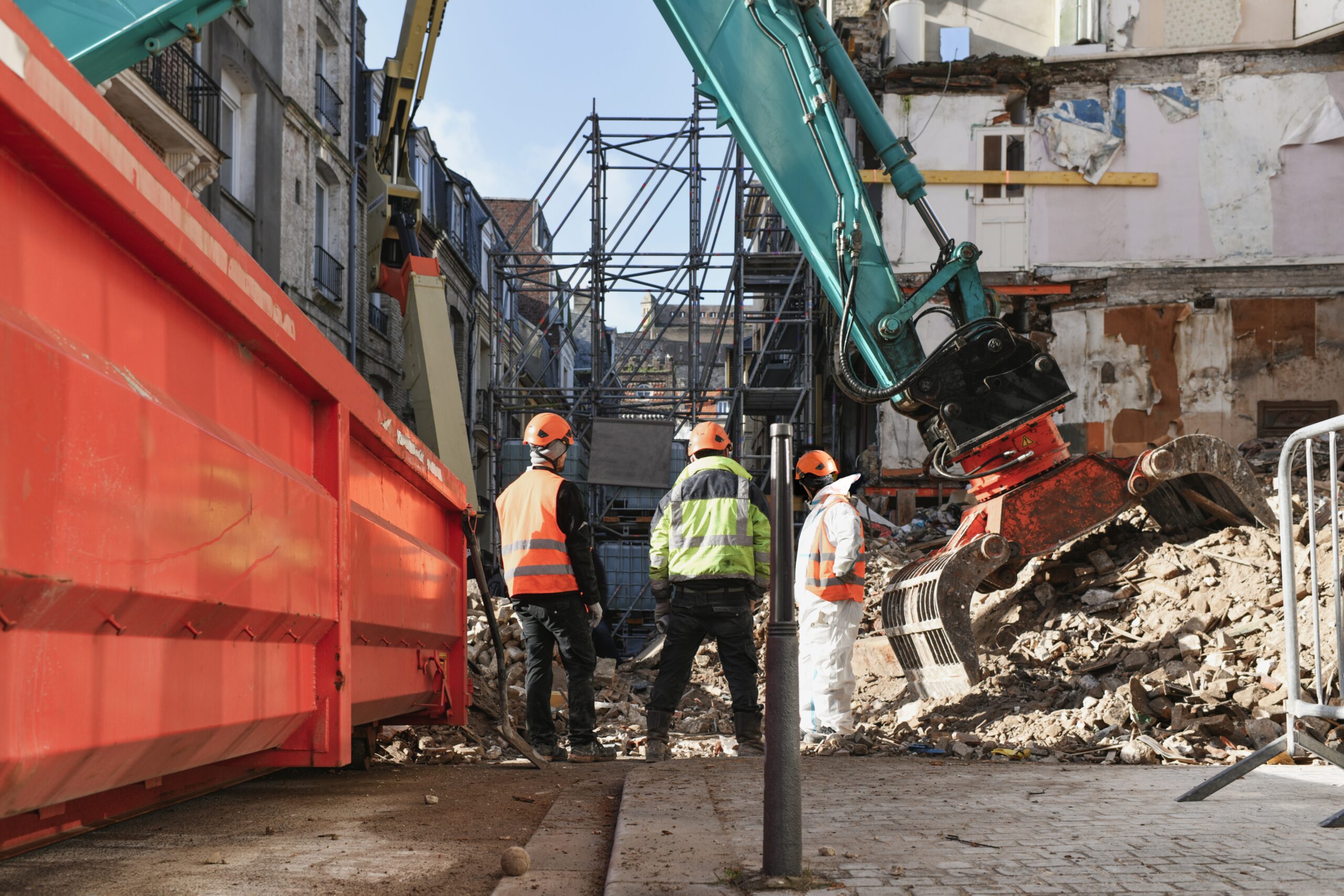
Sometimes the loudest person on the crew is hurting the most and that is why paying attention to one another matters.
Construction workers already understand the importance of teamwork when it comes to physical safety. Crews watch out for each other around heavy equipment, leading edges, confined spaces, suspended loads, and energized systems. The same mindset needs to apply to mental health as well.
Looking out for your crew should include checking on people emotionally, not just physically.
Another factor that often impacts mental health in construction is chronic physical pain. Many workers spend years putting tremendous wear and tear on their bodies. Bad knees, shoulder injuries, back pain, fatigue, and sleep problems are extremely common throughout the trades. Over time, chronic pain can affect a worker mentally and emotionally, especially when they feel pressure to continue performing at a high level regardless of how they feel physically.
In many situations, workers feel trapped between their health and their responsibilities.
They want to provide for their families.
>They want to keep working.
>They do not want to let their crew down.
Internal pressure can become incredibly heavy.
The good news is that the construction industry is finally beginning to have more open conversations about mental health than ever before. Contractors, unions, safety professionals, and industry organizations are increasingly recognizing that mental wellness is directly connected to overall jobsite safety.
Organizations like the Construction Industry Alliance for Suicide Prevention and the Construction Industry Suicide Prevention Partnership have worked hard to bring awareness, education, and resources directly into the industry. More companies are beginning to include mental health discussions in toolbox talks, supervisor training, and employee assistance programs.
That progress matters because workers need to know they are not alone.
One of the most important resources available today is the 988 Suicide & Crisis Lifeline. Anyone in emotional distress can simply call or text 988 at any time, day or night, to speak with a trained counselor.
The service is free, confidential, and available nationwide.
Most importantly, a person does not need to be suicidal to reach out for help.
Someone can contact 988 if they are feeling overwhelmed, anxious, emotionally exhausted, depressed, hopeless, or simply struggling to cope. It is also available for family members, coworkers, or friends who are concerned about someone they care about.
Additional mental health resources are also available through:
• https://988lifeline.org/
• https://www.samhsa.gov/mental-health
• https://www.nami.org/Home
• https://afsp.org/
• https://www.preventconstructionsuicide.com/
Contractors and supervisors also play a major role in creating healthier jobsites. Mental health awareness cannot simply become another poster hanging in the break trailer. It has to become part of the culture of the company.
Leaders should encourage honest conversations about stress, burnout, and emotional health. Supervisors should be trained to recognize warning signs and know how to direct workers toward available resources. Companies should make it clear that asking for help will never be viewed as weakness.
Something as simple as asking a coworker, “You doing alright?” can sometimes open the door to a conversation that may genuinely help someone.
The construction industry has always been built on teamwork, trust, and brotherhood. Workers depend on each other every day to stay safe in dangerous environments. Mental health deserves that same level of attention and care.
At the end of the day, no deadline, project schedule, or production target is more important than a human life.
Real strength is not pretending everything is fine when it is not. Real strength is speaking up, supporting each other, and getting help when it is needed.
This Mental Health Awareness Month, the construction industry has an opportunity to continue changing the conversation. The more openly we talk about mental health, the more lives we may help protect in the process.
If you or someone you know is struggling, call or text 988 today.
Help is available.
People care.
And nobody has to carry the weight alone.
If you’d like to learn more or have Trivent come talk to you crew call (800) 819-6092 or visit www.triventsc.com
No comment yet, add your voice below!