NFPA 70E Training

Introduction to Trivent Safety Consulting
The Trivent Safety Consulting!

When it comes to electrical hazards, understanding the principles of NFPA 70E is crucial for both employees and employers. Enter Trivent Safety Consulting—a leader in providing top-notch safety training that empowers professionals to navigate the complexities of electrical safety with confidence. With their comprehensive approach and commitment to excellence, Trivent Safety Consulting is your go-to partner for mastering NFPA 70E standards and ensuring a safer workplace. Ready to dive in? Let’s explore what makes this training essential for anyone working with electrical systems.

What is NFPA 70E?

NFPA 70E is a crucial standard for electrical safety in the workplace. Developed by the National Fire Protection Association, it focuses on reducing risks associated with electrical hazards.
The standard outlines safe work practices and procedures to protect workers from electric shock and arc flash incidents. By implementing NFPA 70E guidelines, organizations can create safer environments for their employees. Key components include identifying potential hazards, assessing risks, and providing appropriate personal protective equipment (PPE). Training workers on these protocols is essential to ensure they understand how to stay safe while performing their tasks.

This standard not only helps prevent accidents but also promotes a culture of safety within organizations. Adhering to NFPA 70E can significantly reduce injury rates related to electrical work and enhance overall workplace safety.

The Importance of NFPA 70E Training

Training is the key to working safely

NFPA 70E training is crucial for anyone working in environments with electrical hazards. This standard provides guidelines to ensure safety and minimize risks associated with electrical work. Understanding arc flash hazards can be life-saving. Proper training equips employees with the knowledge needed to recognize these dangers before they become critical.
Moreover, compliance with NFPA 70E is essential for meeting OSHA regulations. Failure to adhere can lead to severe consequences, including fines and increased liability.
This training fosters a culture of safety within organizations. When team members are informed, they’re more likely to follow protocols that protect themselves and their colleagues.

Investing in NFPA 70E education isn’t just about avoiding penalties; it’s about safeguarding lives every day on the job site. Empowering workers through this knowledge enhances overall workplace morale and productivity as well.

Training Options Offered by Trivent Safety Consulting

Trivent Safety Consulting provides a range of NFPA 70E training options tailored to meet various needs. Whether you’re an individual seeking knowledge or an organization aiming to enhance workplace safety, there’s something for everyone.

Their courses include hands-on training that allows participants to apply concepts in realistic scenarios. This practical approach ensures better retention of critical information regarding electrical hazards. For those with busy schedules, Trivent offers online training modules. These flexible options allow learners to complete their coursework at their own pace while still adhering to OSHA regulations.

Additionally, customized on-site training is available for companies looking to address specific challenges within their operations. This personalized format helps teams work collaboratively while fostering a deeper understanding of safety protocols related to electrical hazards.

With diverse learning formats and expert instructors, Trivent Safety Consulting stands out as a leader in NFPA 70E education.

Benefits of Choosing Trivent Safety Consulting for NFPA 70E Training

Choosing Trivent Safety Consulting for NFPA 70E training offers numerous advantages. The team is composed of industry experts who understand the intricacies of electrical hazards and OSHA regulations. Their in-depth knowledge ensures that participants receive relevant and practical information.

The training sessions are designed to be interactive, promoting engagement among attendees. This hands-on approach helps reinforce critical safety concepts while making learning enjoyable.

Flexibility is another key benefit. Trivent Safety Consulting provides various training options, allowing organizations to select formats that best suit their needs—whether on-site or virtual.

Moreover, they emphasize real-world applications through case studies and scenarios directly related to everyday work environments. Trainees leave with not just theoretical knowledge but actionable skills applicable immediately in their roles.

Ongoing support after the course further sets Trivent apart, ensuring all questions can be addressed long after the classroom experience ends.

Testimonials from Previous Participants

Participants of Trivent Safety Consulting’s NFPA 70E training often share transformative experiences. Many express newfound confidence in handling electrical hazards safely.

One attendee highlighted the practical approach of the course, stating it bridged theory and real-world application seamlessly. They appreciated how the instructors emphasized critical safety protocols.

Another participant noted that interactive discussions fostered a deeper understanding of compliance with OSHA standards. This engagement not only reinforced learning but also encouraged networking among peers facing similar challenges.

Several testimonials mention improved workplace safety culture following the training. Companies reported fewer incidents and greater employee awareness regarding electrical risks.

The personal stories resonate strongly, showcasing how knowledge gained through Trivent’s programs goes beyond certification—it saves lives and promotes safer work environments every day.

Conclusion and How to Sign Up for NFPA 70E Training with Trivent Safety Consulting

Choosing the right training for electrical safety is crucial in today’s workplace. Trivent Safety Consulting stands ready to equip you and your team with the knowledge necessary to navigate electrical hazards safely. Their NFPA 70E training not only aligns with OSHA standards but also prepares participants to tackle real-world challenges effectively.

Signing up for NFPA 70E training with Trivent Safety Consulting is straightforward. Visit their website or contact them directly to get details on upcoming courses. With flexible scheduling options, you can choose a time that works best for you and your organization.

Investing in this training means investing in safety, compliance, and peace of mind. Empower yourself today by taking this essential step toward ensuring a safer work environment.


Trivent Safety Consulting’s Mobile Crane Training

When it comes to operating mobile cranes, specialized training can mean the difference between a smooth project and potential disaster. Trivent Safety Consulting offers comprehensive mobile crane training designed to ensure operators are equipped with essential skills and knowledge. With a keen focus on compliance with OSHA standards, particularly 1926 Subpart CC and 1926.1427, this program not only enhances operator proficiency but also promotes a culture of safety on site. Ready to discover how proper training can elevate your workforce? Let’s dive into the advantages that come with choosing Trivent for your mobile crane education needs.

Advantages of Trivent Safety Consulting’s Mobile Crane Training

Trivent Safety Consulting’s mobile crane training offers a tailored approach that meets the specific needs of construction sites. Participants gain hands-on experience, ensuring they understand not just theory but practical applications too. This dual focus fosters confidence and competence in operators.

Additionally, Trivent’s program is aligned with OSHA standards, particularly 1926 Subpart CC and 1926.1427, helping organizations avoid costly fines and legal issues. By investing in this training, businesses can enhance overall safety while boosting productivity on job sites. A well-trained operator reduces risks for everyone involved.


General Requirements for Operators under OSHA Standards

OSHA standards establish essential requirements for mobile crane operators, focusing on safety and competency. Operators must have a thorough understanding of equipment operation, including load capacities and proper signaling techniques.

Training programs should cover the necessary skills to recognize hazards associated with crane operations. Compliance ensures that operators are not only licensed but also equipped to handle the complexities of their work environments safely. Meeting these standards protects workers and minimizes risks on construction sites.

Operator Training, Certification, and Evaluation in Construction

Operator training in construction is crucial for safe and efficient work environments. It ensures that crane operators understand the complexities of machinery, site conditions, and safety protocols. Engaging training sessions cultivate a culture of safety among workers.

Certification further elevates operator competency by validating their skills through rigorous evaluation processes. This not only instills confidence but also reinforces compliance with OSHA standards. Regular evaluations keep operators sharp, ensuring they stay updated on best practices and regulations like 1926 Subpart CC, enhancing overall workplace safety across the board.

Operator Certification and Licensing

Operator certification and licensing are crucial for ensuring safety in construction environments. Skilled operators demonstrate their expertise through rigorous training programs that meet industry standards. This process not only boosts personal confidence but also enhances workplace safety.

Having certified operators helps companies comply with OSHA regulations, specifically the 1926 Subpart CC guidelines. Licensed professionals bring a wealth of knowledge to the job site, minimizing risks associated with crane operations. Employers benefit from reduced liability and increased productivity when they prioritize proper training and certification for their teams.


Mobile Crane Fed OSHA 29 CFR 1926.1427

Mobile cranes play a vital role in construction projects, but they come with risks that necessitate strict adherence to safety regulations. OSHA 29 CFR 1926.1427 outlines specific training and evaluation requirements for operators to ensure safe operations on job sites.

This regulation emphasizes the importance of competency and knowledge before handling mobile cranes. By complying with these standards, employers not only protect their workforce but also enhance overall productivity by reducing accidents and downtime associated with crane operations. Following this framework leads to safer work environments across the industry.

OSHA 1926.1427

OSHA 1926.1427 outlines critical regulations for mobile crane operations in construction settings. This standard ensures that operators are properly trained, certified, and evaluated to minimize risks associated with crane use. Adhering to these guidelines not only boosts safety but also fosters a culture of accountability on job sites.

The regulation emphasizes the importance of operator qualifications and provides detailed requirements for training programs. By following OSHA 1926.1427, companies can mitigate hazards related to cranes while ensuring compliance with federal safety standards essential for protecting workers and promoting efficient workflows.


Benefits of Compliance

Compliance with OSHA standards, including 1926 Subpart CC and 1926.1427, ensures a safe working environment. By adhering to these regulations, companies significantly reduce the risk of accidents and injuries on construction sites. This fosters employee well-being and boosts morale.

Moreover, compliance can lead to financial savings in the long run. Avoiding penalties associated with non-compliance helps protect your bottom line. Insurers often offer lower premiums for organizations that demonstrate a commitment to safety through proper training and certification programs like those from Trivent Safety Consulting.


OSHA 1926 Subpart CC Cranes & Derricks in Construction

OSHA 1926 Subpart CC focuses on the safety standards for cranes and derricks used in construction. It establishes guidelines that aim to protect workers from hazards associated with lifting operations. Compliance ensures safer work environments, reducing accidents caused by equipment failures or operator errors.

This regulation covers various aspects of crane operation, including inspections, maintenance, and training requirements. By adhering to these standards, employers can enhance operational efficiency while safeguarding their workforce against potential risks associated with heavy lifting tasks. Understanding and implementing these regulations is essential for any construction site utilizing crane systems.


Mitigating Risks with Proper Training and Certification

Proper training and certification are essential for operating mobile cranes safely. Trivent Safety Consulting’s program emphasizes hands-on experience combined with theoretical knowledge, ensuring operators understand both the machinery and safety protocols.

Effective training mitigates risks associated with crane operations. By mastering the operation of cranes under real-world conditions, operators can respond effectively to emergencies or unexpected challenges on-site. The focus on compliance with OSHA standards such as 1926 Subpart CC and 1926.1427 ensures that all trainees are well-informed about regulations governing their work.

Investing in comprehensive mobile crane training not only enhances workplace safety but also fosters a culture of responsibility among workers. This proactive approach ultimately leads to fewer accidents, reduced liability costs, and improved employee morale. With proper training from Trivent Safety Consulting, organizations can confidently navigate the complexities of construction site operations while prioritizing safety above all else.

Trivent Safety Consulting Stands Out for Spanish Training

In today’s diverse workplace, effective safety training is essential. With the OSHA Hazard Communication Standard at the forefront, ensuring that all employees understand safety protocols is crucial for a healthy work environment. But what happens when language barriers stand in the way? At Trivent Safety Consulting, we recognize this challenge and have developed tailored solutions to meet the needs of Spanish-speaking workers. Our commitment to high-quality communication and training sets us apart as a leader in providing exceptional safety education. Discover how our approach makes a difference in promoting safer workplaces while embracing diversity through expert Spanish training programs.


The Impact of OSHA Guidelines on Safety Training

OSHA guidelines play a critical role in shaping safety training across various industries. By establishing clear standards for hazard communication, they ensure that workers are informed about the dangers they may encounter on the job. This proactive approach not only promotes a safer work environment but also empowers employees to take ownership of their well-being.

When organizations align their safety training with OSHA regulations, they foster a culture of safety that resonates throughout the workplace. Employees feel more confident and prepared to handle potential risks when trained effectively according to these established guidelines.

Moreover, compliance with OSHA standards can significantly reduce incidents and accidents at work. It encourages employers to invest in comprehensive training programs that keep everyone informed and engaged—ultimately leading to better performance and productivity within teams.

Trivent Safety Consulting’s Approach to Spanish Training

Trivent Safety Consulting recognizes the importance of effective communication in safety training, especially for Spanish-speaking workers. Our approach focuses on creating a comfortable learning environment where participants feel empowered to engage and ask questions. We understand that language barriers can hinder understanding, so we prioritize clarity in all our materials.

Active participation!

Our tailored programs ensure that course content resonates with the specific needs of Spanish-speaking teams. By integrating relevant examples and scenarios, we enhance comprehension while keeping learners engaged. This makes safety concepts accessible and relatable.

Moreover, our instructors are not only fluent in Spanish but also experienced in conveying critical safety principles effectively. They bring practical knowledge to each session, ensuring that participants grasp OSHA standards thoroughly while fostering an interactive atmosphere.

Tailored Spanish Training Programs

At Trivent Safety Consulting, we understand that effective safety training must resonate with learners. Our tailored Spanish training programs are designed to meet the unique needs of diverse workplaces. We offer a variety of courses that cater specifically to industries requiring OSHA compliance.

Each program is crafted by experts who recognize the importance of cultural relevance and language nuances. This ensures that participants not only comprehend the material but also engage actively in their learning process. By focusing on real-world applications, we help workers relate safety practices to their daily tasks.

Moreover, our courses are flexible and customizable. Whether you need on-site training or virtual sessions, we adapt our methods to fit your team’s dynamics. This personalized approach maximizes understanding and retention while maintaining adherence to OSHA guidelines for safety communication.

Experienced Instructors in Spanish Safety Training

Julio Peinado Expert Trainer!

At Trivent Safety Consulting, our team of experienced instructors brings a wealth of knowledge to Spanish safety training. They possess not only the required certifications but also extensive field experience in various industries. This combination ensures that participants receive practical and relevant information.

Our instructors are fluent in both English and Spanish, enabling seamless communication during training sessions. This fluency enhances understanding and retention of crucial safety concepts related to the OSHA guidelines. Participants can ask questions freely, fostering an interactive learning environment.

Moreover, our trainers stay updated on the latest regulations and best practices regarding safety protocols. Their commitment to continuous education means they provide current insights tailored for diverse workplaces. With this expertise, learners gain confidence in applying what they’ve learned directly to their jobs.

Resources Available for Spanish Training

Trivent Safety Consulting offers a wide range of resources tailored specifically for Spanish safety training. These include comprehensive manuals, interactive e-learning modules, and informative videos that cater to various learning styles. By utilizing engaging content, we ensure participants grasp critical safety concepts effectively.

Additionally, our materials are updated regularly to reflect the latest OSHA guidelines and best practices in workplace safety. This commitment guarantees that Spanish-speaking employees receive relevant information aligned with current standards.

We also provide access to webinars and workshops conducted entirely in Spanish. These sessions encourage active participation and foster an environment where learners can ask questions freely. With such diverse resources at their disposal, organizations can enhance the effectiveness of their safety training programs significantly.

Benefits of Choosing Trivent Safety Consulting

Choosing Trivent Safety Consulting for your Spanish training needs offers a multitude of advantages. First and foremost, our tailored programs ensure that every learner receives relevant information that resonates with their specific work environment. This customization fosters better understanding and retention of essential safety practices.

Our experienced instructors bring not only extensive knowledge but also cultural competence to the classroom, making sessions more relatable and effective. They understand the nuances of communication in different contexts, ensuring clarity throughout the training process.

Additionally, we provide an array of resources designed specifically for Spanish speakers. These include manuals, videos, and interactive tools that enhance learning outcomes while promoting a safe working culture in compliance with OSHA guidelines.

When you choose Trivent Safety Consulting, you’re investing in quality education that prioritizes safety above all else. Our commitment to excellence means your team will be well-equipped to navigate OSHA standards confidently and effectively.


29 CFR 1910.179 Overhead Crane Training

Welcome to Trivent Safety Consulting’s world-class training center in beautiful Wheat Ridge, Colorado! With our commitment to promoting safety in the workplace, we take immense pride in offering comprehensive overhead crane and basic rigging safety training programs that empower individuals and organizations to prioritize the well-being of their employees. In this blog we will take a look key features of our overhead crane and basic rigging training and why our center is the ideal destination for acquiring the necessary skills and knowledge to keep everyone safe when it comes to the lifting of materials by way of overhead crane.

Trivent Safety Consulting overhead crane.

Introduction

Overhead cranes are in many industries such as manufacturing, construction sites, and warehouses. These powerful machines can lift and move heavy loads with ease, making them an essential part of many workplace operations. However, operating an overhead crane requires specialized skills and knowledge to ensure safety for both the operator and those around the crane. Special precaution by operators must be taken to avoid complacency and being lulled to sleep by repetitious overhead lifts.

This is where overhead crane training comes into play. Trivent Safety Consulting training programs are designed to educate operators on how to safely operate these machines while adhering to industry regulations and standards. Trivent Safety Consulting understands the importance of proper training when it comes to overhead cranes, which is why we offer industry-leading training solutions for businesses facilities of all sizes.

State-of-the-Art Training Center:

Wheat Ridge Colorado is home to our world-class training facility equipped with cutting-edge technology and resources to deliver comprehensive hands-on training programs.

Construction Industry Training Council of Colorado (CITC) Home of Trivent Safety Consulting.

Trivent Safety Consulting has partnered up with Construction Industry Training Council of Colorado (CITC). This impressive facility has over 40,000 square foot of space that hosts a multitude of training rooms. These rooms can accommodate classes as small as four or as many as 100+. This facility hosts a multitude of practical training areas, and specialized equipment in addition to having many training room options. Trivent Safety meticulously sets up hands on practical activities to simulate real-life working conditions, allowing trainees to practice their skills in a controlled environment.

Expert Instructors:

Bryan McClure
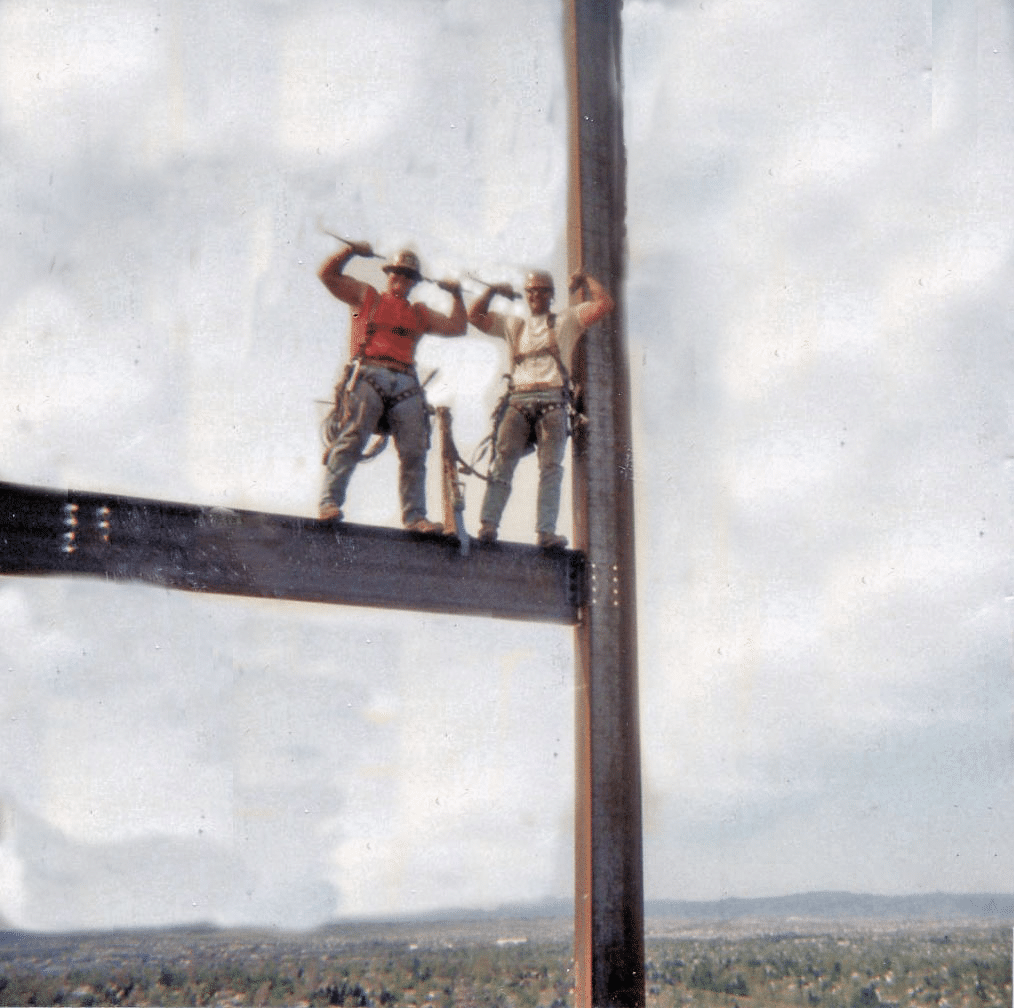
Scott Seppers & Bryan McClure hanging iron 1998

Our trainers are what makes Trivent Safety Consulting so special. When it comes to rigging and signaling overhead lifts our trainers have over 60 years of combined overhead lifting experience. Trainers, Scott Seppers and Bryan McClure have been involved with rigging and cranes since the early 90’s. Our instructors possess industry-specific expertise and stay up-to-date with the latest regulations.


Hands-On Training:

Hands On Training!

At Trivent Safety Consulting, we firmly believe in the power of hands-on training. Our crane & rigging courses feature practical exercises and simulations that allow participants to apply their theoretical knowledge in real-life scenarios. Realistic rigging scenarios to simulated signalperson operations, our hands-on training sessions provide invaluable practical experience that will enhance your confidence and proficiency on the job.

OSHA 29 CFR 1910.179

Our overhead crane & basic rigging course is based on the OSHA 29 CFR 1910.179 standards. Inspection requirements, safe load handling topics are points of emphasis in addition to the hands on training students receive. In addition to OSHA safety requirements and best practices Trivent trainers are friendly, approachable, and dedicated to ensuring that each participant receives personalized attention as needed. Trivent trainers posses real world experience and can answer tough questions.

World Class Bi-lingual Construction Training

Meet Trivent Safety Consulting

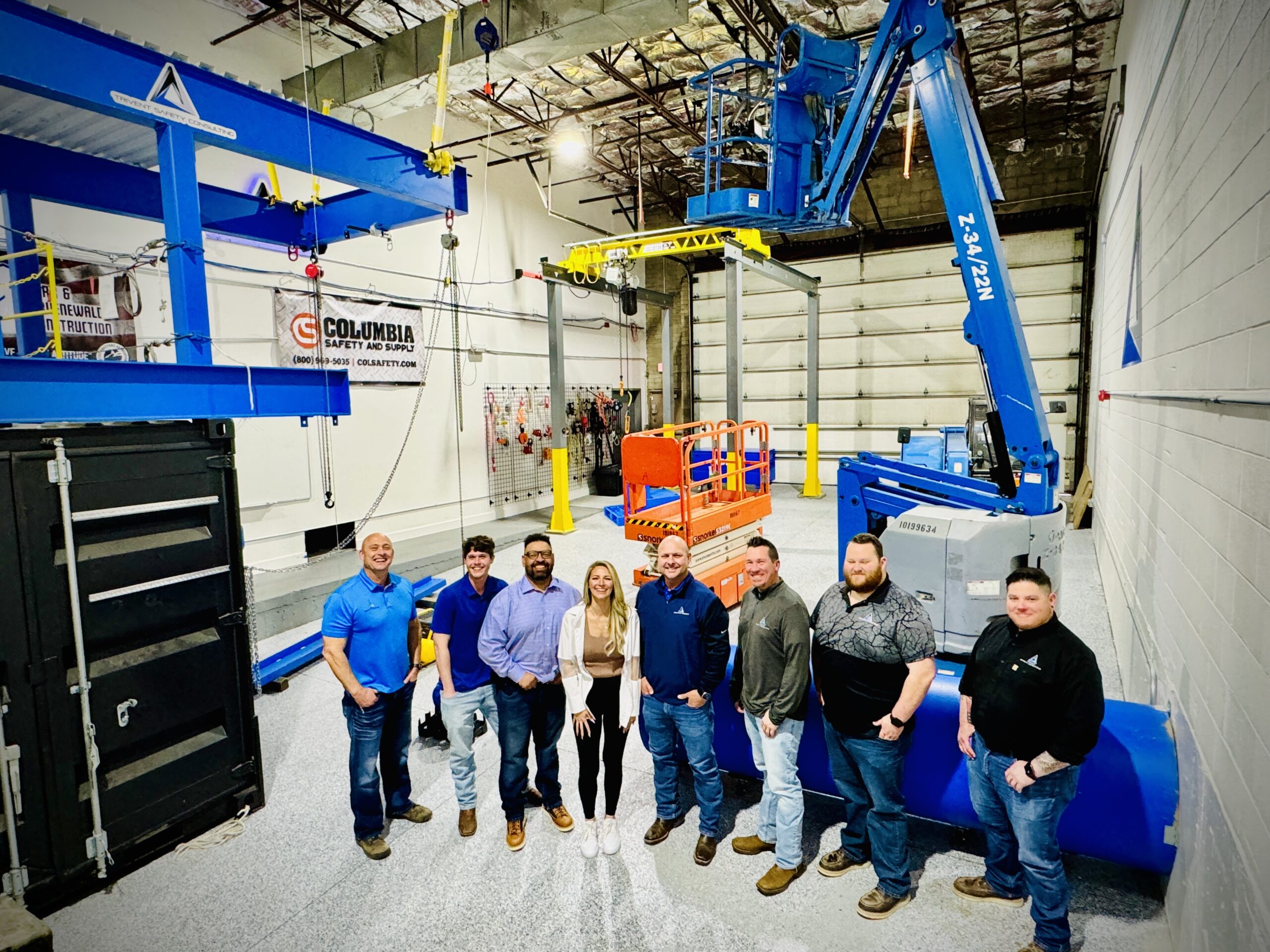
The Trivent Safety Team!

In the bustling world of construction, safety is paramount. Every day on the job presents new challenges, and ensuring that every worker understands the protocols can make all the difference. That’s where Trivent Safety Consulting steps in. With a commitment to excellence, they provide top-notch bi-lingual training programs tailored specifically for the construction industry. By bridging communication gaps through effective Spanish instruction, Trivent ensures that everyone—regardless of their primary language—can engage fully with safety practices.

Imagine a worksite where every employee feels confident and informed about safety procedures. At Trivent Safety Consulting, this vision becomes reality as they empower workers with essential knowledge while fostering an inclusive environment. Let’s delve deeper into why construction safety training is crucial and how Trivent stands out in providing these valuable resources to keep your workforce safe and informed.

The Importance of Construction Safety Training

Construction sites can be hazardous. Proper training is crucial to ensure worker safety. Every year, accidents occur due to a lack of awareness and preparation. Training equips workers with the knowledge they need to navigate risks effectively. Understanding safety protocols minimizes injuries and fatalities. It builds a culture of responsibility among team members. Workers who are well-trained feel more confident in their abilities. Trivent Safety Consulting revolutionizes training with a hands-on approach.
Moreover, construction companies benefit from reduced insurance costs and lower turnover rates when they prioritize safety training. A safe environment fosters productivity and enhances morale across all levels. In an industry where communication is vital, ensuring that every worker comprehends safety guidelines is non-negotiable. This is especially true for bi-lingual teams who must collaborate seamlessly regardless of language barriers.

Benefits of Bi-lingual Training for Construction Workers

Knowledge is power!

Bi-lingual training is a game changer in the construction industry. It bridges communication gaps between workers who speak different languages, particularly Spanish and English.
When everyone understands safety protocols clearly, it reduces the risk of accidents on-site. This leads to a more secure work environment for all.
Moreover, bi-lingual training fosters team cohesion. Workers feel included and valued when they can engage in discussions without language barriers.
It also enhances productivity as clear instructions are easily followed by every worker involved. Efficiency often improves when teams communicate effectively.
Additionally, such programs boost morale within diverse teams. Workers become more confident and empowered in their roles.
Offering bi-lingual training not only meets legal compliance but also demonstrates commitment to employee welfare—a vital aspect of any thriving organization.

Trivent’s Bi-lingual Construction Safety Training

Trivent Safety Consulting offers a comprehensive Bi-lingual Construction Safety Training Program designed for diverse workforces. The program is delivered in both English and Spanish, ensuring clear communication across all levels of experience. Participants engage in interactive sessions that cover essential safety protocols and best practices. Real-life scenarios help workers identify hazards and learn proper responses.
The curriculum focuses on critical topics such as fall protection, personal protective equipment (PPE), and emergency procedures. Each module emphasizes the importance of teamwork and effective communication to foster a culture of safety. Our expert instructors are fluent in both languages, making it easier for participants to grasp vital information without language barriers. This approach not only enhances understanding but also boosts confidence among workers on site. With Trivent’s training, every worker leaves equipped with practical knowledge they can apply immediately in their roles.

Testimonials from Previous Participants

Participants from Trivent Safety Consulting’s bi-lingual training program have consistently shared positive feedback. Many express appreciation for the clarity of instruction, especially when materials are presented in both English and Spanish.
One participant highlighted how the dual-language format improved their understanding of safety protocols. “I felt more confident after completing the course,” they noted. The inclusive approach allows everyone to engage fully, fostering a safer workplace environment.
Another attendee mentioned that having trainers who communicate fluently in Spanish made all the difference. “It’s not just about learning; it’s about feeling understood,” they remarked.
Countless success stories from satisfied clients highlight the transformative impact of Trivent’s training programs.

Conclusion: Invest in Your Workers’ Safety with Trivent Safety Consulting

Investing in the safety of your workers is not just a legal requirement; it’s a moral obligation. Trivent Safety Consulting offers world-class bi-lingual construction safety training that addresses this need head-on. With programs designed to foster effective communication between English and Spanish-speaking workers, you can enhance understanding and compliance on-site.
Choosing Trivent means prioritizing the well-being of every team member. By breaking down language barriers, you empower all employees to engage fully in their own safety. This investment pays off through reduced accident rates, increased productivity, and a more cohesive workforce.

When you opt for Trivent’s comprehensive training solutions, you’re choosing quality education tailored specifically for your team’s needs. Equip them with essential skills today—because ensuring safety should never be lost in translation.

Watts The Big Deal?

When it comes to construction sites, safety should always be the top priority. With tools buzzing and machinery roaring, it’s easy to overlook one vital aspect: electrical safety. Enter GFCI-protected extension cord reels—an unsung hero in preventing electrical hazards! These devices not only keep your work environment safe but also enhance productivity by providing reliable power where you need it most.

But what exactly makes these cords so crucial? Understanding their importance can make a significant difference in protecting workers on-site from potential accidents. Whether you’re a seasoned contractor or a DIY enthusiast, knowing how to use extension cords safely is essential for everyone involved in construction work. So let’s dive into the world of GFCI-enabled cord reels and explore why they deserve more attention than ever before!

Watts the Big Deal Blog Article Outline

When it comes to electrical safety in construction, GFCI-protected extension cord reels are game changers. These devices help prevent electrocution by interrupting the flow of electricity when a fault is detected. It’s a simple yet effective way to safeguard workers who rely on power tools daily.

Their applications extend beyond just construction sites; they’re valuable for outdoor events, workshops, and any setting where temporary power is needed. The benefits go beyond safety as well—GFCIs can reduce downtime caused by electrical issues, keeping projects on track.

Ensuring electrical safety involves understanding how to use extension cords properly. Knowing the right type of cord for your job can make all the difference. Proper usage includes checking for damage before plugging in and avoiding overloading circuits.

Additionally, adhering to OSHA guidelines helps maintain safe working environments. OSHA CFR 1926 Subpart K guidelines are essential for maintaining a safe working environment for all workers on the project.

Tips for Choosing, Using, and Storing Extension Cords 

Application Graph

Choosing the right extension cord starts with understanding its rating. Look for cords that match or exceed the wattage requirements of your tools and devices. A heavier gauge wire is ideal for high-power equipment, ensuring optimal performance without overheating.

When using an extension cord, avoid overloading it. Plugging too many devices into a single cord can lead to serious safety hazards like overheating or even fire. Always check the amp rating on both the cord and your appliances to ensure compatibility.

Storage is just as crucial as selection and usage. Keep cords tidy by coiling them properly to prevent kinks or damage. Avoid leaving them in damp areas where moisture can cause electrical faults.

Inspect extension cords regularly for signs of wear or damage before use. Frayed wires or exposed conductors can pose significant risks, so replace any faulty cords immediately to maintain safety on site or at home.

Standard Household Extension Cords (16 or 18 gauge)

When it comes to standard household extension cords, the gauge size matters more than you might think. A 16 or 18 gauge cord may be suitable for lighter tasks like powering lamps or charging electronics indoors. However, using these thinner cords for heavy-duty tools or outdoor projects can pose serious safety risks.

The lower the gauge number, the thicker the wire and the higher its capacity to handle larger currents safely. Household extension cords with a higher gauge are not designed to withstand heavy loads over long distances, leading to overheating and potential fire hazards.

It’s crucial to match the right extension cord with your power needs and project requirements. By selecting an appropriate 12 or 14 gauge heavy-duty outdoor extension cord for demanding tasks, you ensure a safer work environment and prevent electrical mishaps on site.

Heavy Duty Outdoor Extension Cords (12 or 14 gauge)

When it comes to heavy-duty outdoor construction projects, using the right extension cord is crucial. Extension cords with a gauge of 12 or 14 are designed to handle higher power loads and longer distances without overheating.

These heavy-duty cords are built to withstand harsh outdoor conditions like rain, UV exposure, and rough handling on construction sites. Their thicker wires reduce voltage drop, ensuring your power tools receive an adequate energy supply for optimal performance.

Choosing the correct gauge extension cord not only improves safety but also prevents power loss that can affect productivity on the job site. Investing in quality heavy-duty outdoor extension cords will save you time and money by avoiding potential issues down the line.

Remember, when working outdoors in demanding environments, always opt for a reliable heavyweight extension cord to get the job done efficiently and safely.

Understanding the Importance of GFCI-Protected Cord Reels

GFCI’s Save Lives!

GFCI-protected cord reels play a crucial role in enhancing electrical safety, especially in environments like construction sites. These devices are designed to prevent electric shock by automatically cutting off the power supply when they detect ground faults. This technology is essential for protecting workers who may be exposed to wet or damp conditions.

Using GFCI-enabled extension cords helps mitigate risks associated with equipment failure and accidental contact with live wires. Traditional extension cords lack this vital protection, making them less suitable for hazardous work areas. With GFCIs, users can confidently operate tools without constantly worrying about their safety.

Moreover, these cord reels offer convenience through their retractable design. They minimize tripping hazards typically caused by loose cables lying around job sites. When safely stored away after use, they contribute to a more organized workspace.

Employers must prioritize installing GFCI-protected systems on-site as part of their commitment to worker safety and compliance with OSHA regulations. This proactive approach ensures that everyone can perform tasks efficiently while minimizing risks associated with electricity.

Applications and Benefits of GFCI- Protected Cords                                                                   

GFCI-enabled extension cord reels are essential tools for various applications, especially in construction sites. They provide a convenient way to connect power while ensuring safety. Whether you’re operating heavy machinery or running power tools, having GFCI protection minimizes the risk of electrical shock.

These cord reels automatically shut off when they detect ground faults. This feature is crucial in wet or damp environments, where the likelihood of accidents increases significantly. By using these specialized cords, workers gain peace of mind as they focus on their tasks.

In addition to enhancing safety, GFCI-enabled extension cords improve productivity. Workers can easily reel out and store cables without worrying about tangles or damage. The added convenience allows for more efficient work processes on-site.

Moreover, these reels often come with multiple outlets and long lengths that cater to various needs. This versatility makes them ideal not just for construction but also for events and outdoor activities where reliable electricity is necessary.

How to Ensure Electrical Safety in Construction with GFCIs

Electrical safety on construction sites is crucial. Ground Fault Circuit Interrupters (GFCIs) are essential tools that help protect workers from electrical shocks. Understanding their proper use can make a significant difference in workplace safety.

First, ensure that all electrical equipment and circuits used on-site are GFCI-protected. This applies to both temporary power sources and tools plugged into extension cords. Regularly inspect these devices for any signs of wear or damage before each use.

Educate your crew about the importance of GFCIs. Training should cover how they function and what to do if a GFCI trips during operation. Informed workers are safe workers at the jobsite!

Create a routine for testing GFCIs every month as part of your safety protocol. Testing involves pressing the “test” button to ensure it trips correctly, followed by resetting it afterward. Consistent testing helps maintain optimal protection against potential risks in construction settings.


OSHA Guidelines and Standards for Electrical Safety in Construction

Understanding OSHA guidelines is crucial for maintaining electrical safety in construction environments. The Occupational Safety and Health Administration (OSHA) sets the standards that protect workers from hazards associated with electricity.

One key regulation involves proper grounding of equipment and tools. Proper grounding redirects stray currents, minimizing shock risks. GFCI protection is also a central element of these guidelines, especially when working outdoors or in wet conditions. These devices automatically cut off power when they detect an imbalance, providing critical protection against electrocution.

Employers must also conduct regular inspections of extension cords and other electrical equipment to ensure compliance with safety standards. Damaged extension cords shall be repaired or replaced immediately to eliminate accidents.

Training programs focusing on electrical safety are another vital and are covered by OSHA regulations. Trivent Safety Consulting is an excellent resource in keeping your staff informed and up to date on the latest OSHA requirements and best practices! Countless success stories from satisfied clients highlight the transformative impact of Trivent’s training programs. Organizations have reported significant improvements in safety culture and a noticeable reduction in incidents after implementing what they’ve learned through Trivent.

Adhering strictly to these guidelines not only fulfills legal obligations but significantly reduces the risk of injury on job sites, creating a safer environment for everyone involved in construction activities.

Trivent Safety Consulting Setting the Standard for Confined Space Excellence

Introduction to Confined Space Training

Confined spaces present unique challenges and hazards that can turn routine tasks into life-threatening situations. Whether it’s a storage tank, a tunnel, or a manhole, working in these environments requires specialized training to ensure safety. The stakes are high—one misstep can have serious consequences. That’s where proper confined space training comes into play.

At the forefront of this essential training is Trivent Safety Consulting. Renowned for their expertise and commitment to excellence, Trivent is setting new standards in confined space safety education. Dive deeper with us as we explore what makes their approach not just effective but transformative for organizations navigating the complexities of 29 CFR 1926 Subpart AA regulations and beyond.

The Importance of Proper Confined Space Training

Confined spaces present unique hazards that require specialized knowledge and skills. Workers in these environments face risks like toxic gases, limited oxygen, and potential structural collapses. Proper training is essential for their safety.

Understanding the specific dangers associated with confined space entry can make a significant difference. Awareness of emergency procedures is crucial when every second counts.

The importance of practical, hands-on experience cannot be overstated. It prepares workers to respond effectively under pressure, ensuring they know how to act swiftly if things go wrong.

Moreover, compliance with regulations such as 29 CFR 1926 Subpart AA is non-negotiable in today’s workplace environment. Employers must not only meet legal standards but also prioritize employee well-being through effective training programs.

Investing in proper confined space training fosters a culture of safety that benefits everyone involved—workers return home safely each day while companies minimize costly incidents and downtime. Are you looking to enhance workplace safety and compliance? Trivent Safety Consulting OSHA 10 and OSHA 30 courses equip employees with the necessary knowledge and skills to be safe.

What Sets Trivent Safety Consulting Apart?

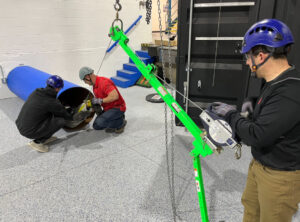
Horizontal rescue activity

Trivent Safety Consulting stands out in the crowded field of confined space training due to its unwavering commitment to quality and safety.

Their programs are not just theoretical; they provide participants with hands-on experience that is crucial for real-world applications. This practical approach ensures that learners leave with skills they can immediately apply on the job.

What truly distinguishes Trivent is their deep understanding of 29 CFR 1926 Subpart AA regulations. They tailor their training to meet and exceed compliance requirements, ensuring clients are well-prepared for inspections and audits.

The safety team at Trivent comprises seasoned professionals who have firsthand experience in various industries. Their insights enrich the learning environment, making it engaging and relevant.

Additionally, Trivent emphasizes a culture of safety within organizations, helping teams foster an environment where safety protocols become second nature rather than an afterthought.

Trivent’s Unique Approach to Confined Space Training

Vertical tri-pod exercise.

Trivent Safety Consulting revolutionizes confined space training with a hands-on approach. Instead of traditional lectures, participants engage in real-world scenarios that mimic actual working conditions. This method fosters deeper understanding and retention.

Each session is tailored to the specific needs of the industry and workplace environments. By integrating practical exercises, Trivent ensures that trainees not only learn regulations but also apply them effectively.

Instructors are seasoned professionals who bring years of field experience to the table. They share insights from their own safety challenges, providing valuable lessons that textbooks simply cannot offer.

The focus on interactive learning creates an environment where questions are encouraged. Attendees feel empowered to voice concerns or uncertainties about confined space operations, leading to greater overall safety awareness.

This unique strategy transforms compliance with 29 CFR 1926 Subpart AA into actionable skills and knowledge for every worker involved in confined space activities.

Success Stories from Trivent’s Clients

Trivent Safety Consulting has transformed the safety culture of numerous organizations through its tailored confined space training programs. One notable client, a manufacturing facility, faced significant risks due to outdated practices. After partnering with Trivent, they reported a remarkable 50% reduction in near-miss incidents.

Another success story comes from a construction company that was struggling to meet compliance requirements under 29 CFR 1926 Subpart AA. Through hands-on experience provided by Trivent’s expert trainers, their team gained confidence and improved knowledge significantly. They are now fully compliant and have enhanced their overall safety protocols.

Clients often praise Trivent for delivering practical solutions that resonate on-site. The real-world scenarios used during training sessions allow employees to apply what they’ve learned immediately, leading to better retention and safer work environments. Such impactful outcomes highlight why so many choose Trivent as their trusted partner in confined space safety initiatives.

Benefits of Choosing Trivent for Confined Space Training

Selecting Trivent Safety Consulting for confined space training brings numerous advantages that enhance workplace safety and compliance. First, Trivent emphasizes hands-on experience, ensuring participants engage in practical scenarios tailored to real-world situations.

Trivent’s trainers are industry experts who possess extensive knowledge of 29 CFR 1926 Subpart AA regulations. Their insights bridge the gap between theory and application, empowering teams with essential skills.

Additionally, Trivent customizes training programs to fit specific organizational needs. This personalized approach fosters a deeper understanding of confined space safety protocols relevant to different industries.

Furthermore, clients report improved employee confidence when entering confined spaces after completing their courses. Such assurance translates into safer practices on-site and minimizes risks associated with confined environments.

By fostering an interactive learning environment, Trivent also encourages open discussions about safety challenges. This collaborative atmosphere cultivates teamwork and strengthens overall safety culture within organizations.

Summary

Elevate Your Safety Standards with Trivent

Horizontal rescue.

When it comes to confined space training, the stakes are high. The potential risks associated with working in confined spaces require thorough knowledge and practical skills. Trivent Safety Consulting understands this need and has tailored its programs to ensure that every participant walks away equipped for real-world scenarios.

By focusing on hands-on experience as outlined in 29 CFR 1926 Subpart AA, Trivent not only meets but exceeds industry standards. Their unique approach combines theoretical learning with practical drills, ensuring that learners can apply their knowledge effectively in the field.

Countless success stories from satisfied clients highlight the transformative impact of Trivent’s training programs. Organizations have reported significant improvements in safety culture and a noticeable reduction in incidents after implementing what they’ve learned through Trivent.

Choosing Trivent means investing in quality education designed specifically for confined space safety. With a commitment to excellence and a proven track record, you can elevate your organization’s safety standards significantly.

Make the wise choice today—partner with Trivent Safety Consulting for unparalleled expertise and support in confined space training.

Portable Fire Extinguishers & OSHA CFR 1926 Subpart F

What 29 CFR 1926.150(c)(1)(viii) Says

Portable fire extinguishers (PFE) are an essential component of fire preparedness.
29 CFR 1926.150(c)(1)(viii) states: “Portable fire extinguishers shall be inspected periodically and maintained in accordance with Maintenance and Use of Portable Fire Extinguishers, NFPA No. 10A-1970.” NFPA 10 is the standard for portable fire extinguishers. Fire extinguishers require frequent inspections not to exceed 31 days. Additional requirements for annual inspections, required maintenance and hydrostatic testing which requires a certified professional, but more on that later. For general worksite purposes, this blog will be covering the monthly inspection process performed by any competent person.

NFPA 10

NFPA 10 states that the portable fire extinguisher (PFE) inspection process begins with the inspector confirming the correct location. However, in construction the locations may vary depending on the work performed in the area. 29 CFR 1926.150 Fire Protection and Prevention standard provides information on where extinguishers need to be located. 1926.150(c) states that PFEs shall be provided for each 3,000 square feet of the protected building area and that the travel distance between the protected area and the nearest fire extinguisher shall not exceed 100 feet.

Inspection Process

The inspection tag

Next the PFE inspection process is to ensure the fire extinguisher is visible – this can be achieved by location markers, flags, signs or stickers. PFE stations are often made from bright red plastic or will have large signs indicating the PFE location. The point is that they must be conspicuously located and not obstructed.

Continuing the inspection process, the inspector must confirm that the PFE is accessible and not blocked in any way. PFE’s in cabinets must be free of obstructions that will prevent the cabinet door from opening. This is also true for fire extinguisher stands – the PFE must be accessible from all sides. Inspectors must clear the material and free the area around the PFE to allow access. For PFE’s in fixed locations, consider marking the floor around the PFE to designate the space not for storage. Do not tie fire extinguishers down with rope, wire, or any material that would make access difficult in an emergency.

Pressure Gauge

Proper gauge reading.

The following step is to check the pressure gauge on the PFE. The only acceptable position for the needle is in the green. The needle in the yellow or red indicates that the PFE is either over or undercharged. Extinguishers not in the green will not have sufficient pressure to discharge the extinguishing agent.

Part of the pressure gauge inspection requires verification of safety pin secured and affixed to the PFE by means of a tamper seal. The tamper seal holds the pin in place and prevents accidental discharge. If an extinguisher is missing the tamper seal, it must be replaced. The tamper seal holds the pin firmly but also breaks easily when pulled. This is to ensure the pin stays in place but also that an adult can break it and then use the PFE. do not secure Safety Pin with rope, wire, or zip-ties. Minimal effort needed when removing pin.

Ensure PFE Contains The Extinguishing Agent

Two methods: weighing or hefting the PFE. The weighing method is commonly used for extinguishers that do not have a pressure gauge. The weight of the extinguisher is confirmed by weighing the extinguisher and confirming the listed tag weight. Extinguishers with gauges use the Hefting process for inspection. Hefting requires the inspector to manually lift the PFE and overturn it to mix the extinguishing media in the cylinder. For ABC PFEs this would entail the inspector turning the PFE upside down and listening for the extinguishing media shift in the cylinder. If the media does not move on its own, the inspector can tap the bottom of the cylinder with their hand or a small rubber mallet. This process also ensures that the extinguishing media is loose and will flow properly from the nozzle.

The Last Step of Inspection

The final step for the inspector is to document the inspection on the monthly inspection tag (MIT). OSHA accepts documentation as proof that the PFE was inspected and is ready for use. Fire extinguishers require frequent inspections. 12-monthly inspections in a year.

Other important factors for PFE upkeep include intervals of maintenance and hydrostatic testing. Fire extinguisher maintenance cycles require disassembly of components for functionality check and reassembled after successful inspection. The same is true for hydrostatic testing with the added step of testing the cylinder for structural integrity. Any professional service will be able to identify what PFEs in your inventory require.

Summary

Portable fire extinguishers are a critical component to hot work operations at the jobsite. Inspecting fire extinguishers to ensure they are properly working condition provides safe working conditions at the project. Informed workers make safe projects and worksites. Hands on training is the best training you can provide your team. Trivent Safety’s OSHA 10 and OSHA 30 courses are excellent for providing a hands on safety training experience!

Circuit Overloading & OSHA CFR 1926 Subpart K

Did you know that a simple electrical circuit overload can put your workers and property at serious risk?

On busy construction sites, it’s more important than ever to understand the hidden dangers of electrical circuit overload. An electrical circuit overload occurs when too many devices are drawing power from a single circuit, causing it to exceed its maximum capacity. This can result in overheating, tripped breakers, and even electrical fires. Not only does this pose a threat to the safety of your workers, but it can also lead to costly repairs and downtime for your business.

One of the main contributors to circuit overload is the increasing use of technology in the workplace. From computers and printers to phones and other gadgets, these devices all require electricity to function. With multiple devices connected to a single circuit, it’s easy for the system to become overwhelmed, especially in older buildings with outdated wiring.

So how can you protect your workers and property from potential disasters caused by electrical circuit overload? The first step is awareness. Make sure that all employees are educated about the risks of overloading circuits and understand how to identify warning signs such as flickering lights or warm outlets.

Next, regularly inspect your projects for overloaded circuits. Inspect extension cords before each use. Understanding the capacity of your electrical system and avoid too many devices on a single circuit is essential.

Introduction to Electrical Circuit Overload

Are your workers and property at risk of electrical hazards lurking within your construction site? Electrical circuit overload might be the silent threat you never saw coming. Let’s look how hidden dangers of overloaded circuits, why they pose a serious problem, and most importantly, OSHA CFR 1926 Subpart K is in compliance. Shining the light on electrical safety is critical in ensuring worker safety!

Why is it a Problem?

Dangers of electrical circuit overloading is a serious problem that can pose significant risks to both your workers and property. When too many devices are drawing power from a single circuit, it can lead to overheating and potentially spark fires. This issue often arises in construction sites where multiple tools and equipment are plugged into the same outlets.

Not only does overloading circuits increase the likelihood of electrical fires, but it can also cause damage to expensive machinery and appliances. The excess strain on the electrical system can result in malfunctions or even total breakdowns, leading to costly repairs or replacements.

Furthermore, overloaded circuits create safety hazards for workers who may unknowingly be using compromised equipment. Electrocution can happen when circuits are pushed beyond their capacity, putting lives at risk.

To avoid these dangers, it’s crucial to understand the signs of potential overloading and take proactive measures to prevent such incidents from occurring.

Understanding Construction Standards for Electrical Systems

When it comes to construction projects, understanding the importance of adhering to electrical system standards is crucial. These standards are put in place to ensure the safety and functionality of electrical systems within a construction site.

OSHA CFR 1926 Subpart K guidelines are essential for maintaining a safe working environment for all workers on the project. These regulations outline specific requirements that must be met to prevent hazards related to electrical systems.

It is vital that employers continuously train and educate employees on electrical hazards. Adhering to these regulations not only protects workers but also safeguards property from damage due to electrical malfunctions.

Signs of Potential Overloading

Signs of Potential Overloading can often go unnoticed, yet they are crucial to pay attention to in order to prevent electrical hazards. One common sign is the frequent tripping of circuit breakers or blowing fuses, indicating that the circuit is struggling to handle the load. Another indication is dimming or flickering lights when high-powered appliances are in use, suggesting an insufficient power supply.

Overloaded circuits must not be ignored as they can cause fire hazards. Unusual buzzing sounds coming from electrical panels or outlets may also signal potential overloading issues. It’s essential to address these signs promptly and not overlook them, as they could pose serious risks to both your workers and property. Inspecting cords & tools before use will prevent electrical hazards from occurring.

The Dangers of Circuit Overloading

Overloaded circuits pose serious risks to both your workers and property. Overloaded circuits cause electrical fires. Imagine the devastation of a fire breaking out on your construction site due to a simple circuit overload.

Not only can overloaded circuits cause fires, but they also increase the likelihood of electrical shocks and electrocution. Excessive current flowing through wires can result in insulation damage, exposing live wires that pose a grave danger to anyone nearby.

Additionally, overloaded circuits can cause equipment malfunctions or failures, disrupting work processes and potentially leading to costly repairs or replacements. Your workers’ safety should always be a top priority – don’t underestimate the dangers that overloaded circuits bring to your construction site. Additional overload hazard information

How to Protect Your Workers and Property

Ensuring the safety of your workers and property is paramount when it comes to electrical circuit overload. To protect your employees from potential hazards, it’s crucial to implement proper safety measures and protocols in place.

One way to safeguard against overloading circuits is by conducting regular inspections of your electrical systems. By identifying any signs of strain or excessive load, you can address issues before they escalate into dangerous situations.

Additionally, providing training for your staff on how to recognize warning signs of overloaded circuits can help prevent accidents. Educating them on the importance of not exceeding the maximum capacity of outlets and extension cords can go a long way in mitigating risks.

Investing in high-quality GFCI’s can also offer an added layer of defense against electrical overloads. These devices automatically cut off power when they detect abnormal currents.

By taking proactive steps to protect your workers and property from the hidden dangers of electrical circuit overload, you are not only ensuring a safe working environment but also safeguarding your valuable assets from potential damage.

Tips for Preventing Circuit Overload

To prevent circuit overload and protect your workers and property, there are several tips you can follow. Electrical systems must be installed by licensed professionals per the requirements of OSHA CFR 1926 Subpart K. Regularly inspect the wiring and outlets to check for any signs of wear or damage.

Consider installing circuit breakers or fuses to help prevent overloading. Distribute power loads evenly across circuits to avoid putting too much strain on a single one. Educate your staff on the importance of not overloading outlets with multiple high-powered devices.

Encourage unplugging equipment when not in use to reduce the risk of overheating. Invest in GFCI’s to safeguard against voltage spikes that could lead to overload situations. By implementing these preventive measures, you can significantly reduce the likelihood of electrical hazards in your workplace. Incorporate hands on training!

Conclusion: Don’t Risk Electrocution – Ensure Proper Electrical Safety Measures are in Place

Protecting Your Workers and Property: The Hidden Dangers of Electrical Circuit Overload

As we’ve explored the risks and consequences associated with electrical circuit overload, it becomes evident that prioritizing electrical safety is paramount in any workplace or construction site. By understanding the signs of potential overloading, adhering to construction standards for electrical systems, and implementing preventative measures, you can safeguard your workers and property from the dangers posed by overloaded circuits.

Remember, negligence in addressing electrical circuit overload not only jeopardizes the well-being of your employees but also puts your assets at risk. Don’t wait for a disaster to strike – take proactive steps today to mitigate these hazards. Trivent Safety Consulting’s Comprehensive OSHA 10 & 30 training is a great for providing employees needed safety information.

Stay informed, stay vigilant, and prioritize electrical safety every step of the way. Your commitment to protecting your workers and property will not go unnoticed – it could make all the difference in preventing accidents and ensuring a safe working environment for all.

Don’t Risk Electrocution – Ensure Proper Electrical Safety Measures are in Place

Take control of workplace hazards today with Trivent Safety Consulting’s industry-leading OSHA 10 and OSHA 30 training courses.

Call or sign up today! 800-819-6092 or click here.

Unleashing the Inner Athlete: How the Industrial Athlete Program Can Transform Tradespersons’ Performance

Are you ready to tap into your untapped potential and unlock the powerhouse within? We’re about to embark on a journey that will revolutionize the way tradespersons approach their craft. Introducing the Industrial Athlete Program – an extraordinary initiative designed to transform your performance, elevate your skills, and unleash the inner athlete in you. Get ready to take charge of your physical and mental well-being like never before as we dive deep into this groundbreaking program that is set to redefine what it means to be a tradesperson. Whether you’re swinging hammers or operating heavy machinery, this blog post is packed with insights and strategies that will not only enhance your productivity but also empower you to achieve greatness in every aspect of your life. It’s time for a game-changing transformation – let’s unlock the inner athlete together!

Industrial Athlete Training Course in Denver, Colorado

The Four Pillars of the Industrial Athlete Program

1. Nutrition
2. Exercise & Stretching (Training)
3. Ergonomics
4. Behavioral Safety (Mindset)


The Industrial Athlete Program is based on the four pillars of training, recovery, nutrition, and mindset. Each pillar is essential to the success of the program and the overall health and performance of the tradesperson.

1. Nutrition: The first pillar of the Industrial Athlete Program is nutrition. This pillar focuses on providing the body with the nutrients it needs to perform at its best. The nutrition component of the program includes Meal Planning Guides that provide tradespeople with information on how to fuel their bodies for optimal performance.

2. Exercise & Stretching: The second pillar of the Industrial Athlete Program is Exercise & Stretching or training. This pillar focuses on developing the physical strength, power, and endurance needed to perform at a high level day in and day out. The training component of the program includes learning to stretch using dynamic and static stretching techniques as well as resistance band exercises to promote strength in the three major areas of concern for tradespersons, shoulders, knees & back.

3. Ergonomics: The third pillar of the Industrial Athlete Program is ergonomics. The ergonomics module educates the tradesman on hot to fit the work to the worker. This module is a continuation of the exercise module in the efforts to educate the workforce on methods to reduce Musculoskeletal disorders (MSD’s). The new technology segment introduces the attendees on equipment designed to assist reduce MSD’s.

4. Behavioral Safety: The fourth pillar of the Industrial Athlete Program is Behavioral Safety or mindset. This pillar focuses on helping tradespeople develop a positive mindset that will allow them to perform at their best mentally and emotionally. The Behavioral Safety module educates the tradesman on brain health. Construction is the number two occupation in the United States for suicide. This module educates the attendees on various coping and support strategies for themselves or coworkers that are going through tough times. The module also covers the differences in employees risk perception and how to view the world through the lens of risk assessment.

The four pillars of the Industrial Athlete Program provide a comprehensive approach to ensure workplace safety and health for workers in all industries. By focusing on these core areas employers can create a positive work environment that encourages productivity and reduces accidents. With proper planning and implementation, the program can help improve worker wellness while providing an effective tool to reduce costs associated with workplace injuries.


Blog post Author: Bryan McClure

Fall Protection by the Numbers

Numbers Are An Important Part Of Fall Protection

Have you ever sat through a fall protection class or looked at the standard regulating your industry?  There are a lot of numbers and other information thrown at you.  To begin, you need to understand where you work and what you do.  This will help you determine what OSHA source material you’ll need to review.  It will be either 1910 Subpart D for general industry or 1926 Subpart M under the construction standard.  Depending on the specific task you’re engaged in, there could be other areas you may need to visit.  Are you working on scaffolding in the construction industry, then Subpart L?  Maybe a question about steel erection, then Subpart R has some information you could reference.  Regardless, numbers are an important part of fall protection.  We’re going to focus on the construction industry and the standards that regulate it.

Let’s start with one of the most important number to remember in the construction industry, 6 feet.  This number is important specifically because OSHA has designated this as the height an employee on a walking working surface 6’ above the lower level needs to be protected from falling.  Additionally, the maximum allowable freefall distance in most instances is also 6’.  Protecting your workers can be achieved with several options, the most popular of which are the use of a guard rail system, or personal fall arrest system.  Ensure you and your employees are familiar with 6’ and have a plan in place to protect workers at or above this level.

When determining the protective measures, you’re going to use, guardrails are a common and easy choice.  If you’re going to use a guard rail system, it must meet several requirements, again more numbers to remember.  The top rail must be located at 42” +/- 3”.  It must support 200# of an outward downward force.  The mid rail must be located directly between the top rail and the walking working surface, typically this is 21” and support 150# of an outward downward force.  If you install a toe board, it must be no higher than 1/4” above the walking surface and support 50# of force applied against it.  Ensure that your workforce understands the height requirements and the limitations of the system.  Although common on most jobsites, remember, they only need to support 200#’s at the most.  That number is not very big when you think about an employee potentially falling into or against an installed guard rail on your project.

Another method to protect employees is the use of a restraint or personal fall arrest system (PFAS).  This method, when used correctly, should ensure that your employees are never exposed to a fall or protected in the event of an actual fall.  With the use of these protective methods, there are all sorts of numbers that we need to ensure our work force understands.  Teaching the employee’s, the ABC’s of fall protection is an easy way to help them remember.

Fall Protection safety training

The A stands for anchor.  In any system, you need to ensure what you are anchoring to, will support you.  With this, the OSHA requirements call for one of the following numbers.  1000, 3000, or 5000.  These are the minimum anchorage connector breaking strength (per ANSI) depending on your fall protection application.  1000# for restraint, 3000# for work positioning, and 5000# for fall arrest. You can also use an anchor that is designed, installed and used as part of a complete PFAS which maintains a safety factor of at least two, under the supervision of a qualified person.

B is for body support, typically a full body harness.  Inspect your harness, you’ll find some more numbers.  310# and 420#.  Depending on your equipment, this will be the maximum permitted worker weight able to use this equipment.  This difference is typically dependent upon the next part of your ABC’s.

The C is the connector you use.  This is the lanyard, retractable, or restraint system you are using to keep you from falling or hitting a lower level.  It’s what connects your body support to the anchor.  Manufacturers have a wide variety of connecting equipment to use, most are rated at 900#.  This is the maximum average arrest force permitted under normal conditions, although OSHA and ANSI both permit the number to be 1800#.  Additionally, the connector will have a deceleration distance.  That number is 3.5 feet, although ANSI allows for 4’.  These numbers are important because they will help determine an appropriate anchor height.  You don’t want to go to low and end up hitting something below you.

A complete fall protection program should look at all of these different numbers and consider them when putting together a plan to protect your workers.  If you need help understanding the fall protection numbers and standards or want someone to help develop a plan for you, give Trivent Safety Consulting a call (800) 819-6092.  We would love to help you set up a plan that works for you and your team.

The Safety Dichotomy

Do you struggle to effectively deliver your safety message on site? Do you find yourself wondering why your message of going home the same way you showed up, not just for yourself, but your loved ones, does not seem to land home? Does it feel like you are just bouncing marbles off the wall sometimes?

Continue reading

How to Prepare for and Prevent Workplace Violence

Workplace violence is a real problem in America. According to the US Department Of Labor Occupational Safety and Health Administration, around two million Americans are victims of workplace violence every year. And while certain types of jobs are at higher risk—those who exchange money with the public, especially at night; those who work alone; anyone located in a higher crime area, and anyone whose work takes them to other people’s private homes, to name a few—no one is immune from the risk. Workplace violence can manifest in any business organization, and no matter how good a culture your company has, it’s important to be prepared and proactive.

Zero Tolerance

Begin by instituting a zero tolerance policy. This is something you should make clear to every employee as part of the onboarding process, and on a regular basis as well. Make sure everyone in the company knows that any violent incident, including threats of violence, will be dealt with swiftly and severely and will result in the guilty party’s termination. Letting this be known will encourage employees to be mindful of their actions while also helping the company at large to feel more safe and protected as they work.

Employee Training

workplace violenceOne of the most effective ways to counter the threat of workplace violence is with effective employee training. By giving your employees the tools to manage fraught encounters, you’ll be contributing directly toward the safety of your company.

Of course, your training program should include informing employees of the company’s policies toward threats and violence and making them aware of the consequences of such actions. But there’s more for them to do. Situational awareness can help them learn to recognize potential threats before they manifest, and conflict resolution strategies can help them de-escalate situations and prevent violence before it begins. You can also provide coping strategies for stress and anger, two emotions that often arise in workplaces and have been known to trigger violence.

Security

Clear security measures can help protect your workplace from the threat of violence. There are several steps you can take to help make your company a safer place to work, including:

    • Limiting the amount of money kept on the premises, if your employees are in a transactional role.
    • Investing in protective equipment like security cameras and silent alarms.
  • Ensure that good exterior lighting is provided, so employees are not walking to their cars in the dark.

If an incident of workplace violence does occur, your priority after securing the safety your people should be to help them through any trauma. Making counseling accessible to your employees after violent incident can help them recover and put it behind them.

ANSI A92 How Will The New Standard Affect Training?

As we progress through 2020 and are neck deep in construction challenges such as job site safety, schedules, deliveries, man power etc., it is easy to overlook the fact that there will major upcoming changes before the end of this year in regards to the operating and safe use of Mobile Elevated Work Platforms “MEWPS”. ANSI is moving towards a new access equipment design standard, A92.20, which will broadly bring North American equipment into line with equipment currently in the EU marketplace, closing off most global variances. Standards for safe use (A92.22) and training (A92.24) go further in completing this objective. Under these new standards, the Aerial Work Platforms (AWPs) terminology becomes Mobile Elevating Work Platforms (MEWPs).

As mentioned above, the new ANSI A92 can be broken down to three sub-parts:

  • ANSI A92.20 (design)
  • ANSI A92.22 (safe use)                                A92.20 new standard affect on crane safety training
  • ANSI A92.24 (training)

Changes in design  A92.20:

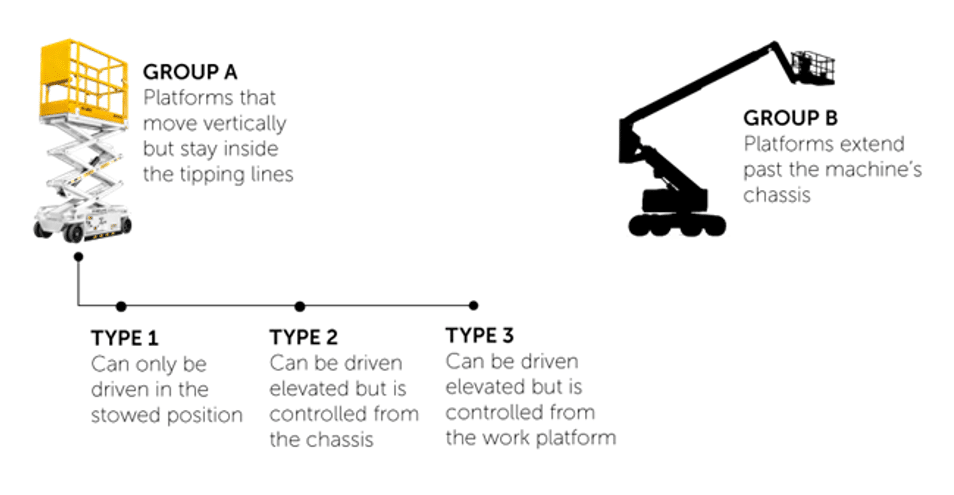
Equipment classification can be broken down as follows:

A Group A machine has a design that does not allow the main platform to extend beyond the tipping line. In other words, the platform does not go outside of the drive chassis envelope. A perfect example of a Group A would be a scissor lift.

Conversely, a Group B machine has a design that allows the platform to extend beyond the tipping line. A great example of a Group B machine would be an articulating or telescopic boom.

A MEWP Type is in reference to the equipment’s ability to travel:

  • Type 1 – Traveling is allowed only with the MEWP in its stowed position
  • Type 2 – Traveling with the work platform in the elevated position is controlled from a point on the chassis
  • Type 3 – Traveling with the work platform in the elevated travel position is controlled from a point on the work platform

A92.22 affect on crane safety training

Moving forward training shall rely heavily on A92.22 (safe use) and A92.24 (training)

A92.22 (safe use):

  • Safe-use planning requires a plan specific to MEWPs to be developed by users to include tasks such as: a risk assessment,
  • the selection of the proper MEWP for application, and
  • access, preparation and maintenance of the work site prior to using the MEWP.
  • Supervisors are being held accountable for safe operations and developing risk assessments.
  • Included in a risk assessment is the user requirement to develop a rescue plan for workers who may require rescue from a platform in an elevated position.

A92.24 (training):

  • Training is required for each class of MEWP classification.
  • Training must be provided in a manner that trainees can understand.
  • Designation of a qualified person to monitor, supervise and evaluate operators on a regular basis to ensure proficiency.
  • Supervisors of MEWP operators shall receive supervisor training. This shall include:
  • Proper MEWP selection,
  • User and operator requirements,
  • How to identify known hazards and the means to manage risk.
  • How to follow the requirements of the operator’s manual.

Want more information? Give Trivent Safety Consulting a call today at 1-800-819-6092 and get connected to one of our industry leading trainers for more information and details on the standard!

Fall Protection by the Numbers

Numbers Are An Important Part Of Fall Protection

Have you ever sat through a fall protection class or looked at the standard regulating your industry?  There are a lot of numbers and other information thrown at you.  To begin, you need to understand where you work and what you do.  This will help you determine what OSHA source material you’ll need to review.  It will be either 1910 Subpart D for general industry or 1926 Subpart M under the construction standard.  Depending on the specific task you’re engaged in, there could be other areas you may need to visit.  Are you working on scaffolding in the construction industry, then Subpart L?  Maybe a question about steel erection, then Subpart R has some information you could reference.  Regardless, numbers are an important part of fall protection.  We’re going to focus on the construction industry and the standards that regulate it.

Let’s start with one of the most important number to remember in the construction industry, 6 feet.  This number is important specifically because OSHA has designated this as the height an employee on a walking working surface 6’ above the lower level needs to be protected from falling.  Additionally, the maximum allowable freefall distance in most instances is also 6’.  Protecting your workers can be achieved with several options, the most popular of which are the use of a guard rail system, or personal fall arrest system.  Ensure you and your employees are familiar with 6’ and have a plan in place to protect workers at or above this level.

When determining the protective measures, you’re going to use, guardrails are a common and easy choice.  If you’re going to use a guard rail system, it must meet several requirements, again more numbers to remember.  The top rail must be located at 42” +/- 3”.  It must support 200# of an outward downward force.  The mid rail must be located directly between the top rail and the walking working surface, typically this is 21” and support 150# of an outward downward force.  If you install a toe board, it must be no higher than 1/4” above the walking surface and support 50# of force applied against it.  Ensure that your workforce understands the height requirements and the limitations of the system.  Although common on most jobsites, remember, they only need to support 200#’s at the most.  That number is not very big when you think about an employee potentially falling into or against an installed guard rail on your project.

Another method to protect employees is the use of a restraint or personal fall arrest system (PFAS).  This method, when used correctly, should ensure that your employees are never exposed to a fall or protected in the event of an actual fall.  With the use of these protective methods, there are all sorts of numbers that we need to ensure our work force understands.  Teaching the employee’s, the ABC’s of fall protection is an easy way to help them remember.

Fall Protection by the Numbers

The A stands for anchor.  In any system, you need to ensure what you are anchoring to, will support you.  With this, the OSHA requirements call for one of the following numbers.  1000, 3000, or 5000.  These are the minimum anchorage connector breaking strength (per ANSI) depending on your fall protection application.  1000# for restraint, 3000# for work positioning, and 5000# for fall arrest. You can also use an anchor that is designed, installed and used as part of a complete PFAS which maintains a safety factor of at least two, under the supervision of a qualified person.

B is for body support, typically a full body harness.  Inspect your harness, you’ll find some more numbers.  310# and 420#.  Depending on your equipment, this will be the maximum permitted worker weight able to use this equipment.  This difference is typically dependent upon the next part of your ABC’s.

The C is the connector you use.  This is the lanyard, retractable, or restraint system you are using to keep you from falling or hitting a lower level.  It’s what connects your body support to the anchor.  Manufacturers have a wide variety of connecting equipment to use, most are rated at 900#.  This is the maximum average arrest force permitted under normal conditions, although OSHA and ANSI both permit the number to be 1800#.  Additionally, the connector will have a deceleration distance.  That number is 3.5 feet, although ANSI allows for 4’.  These numbers are important because they will help determine an appropriate anchor height.  You don’t want to go to low and end up hitting something below you.

A complete fall protection program should look at all of these different numbers and consider them when putting together a plan to protect your workers.  If you need help understanding the fall protection numbers and standards or want someone to help develop a plan for you, give Trivent Safety Consulting a call (800) 819-6092.  We would love to help you set up a plan that works for you and your team.

TIME TO POST YOUR RECORDS

In case you were unaware or have let the time get away from you and you forgot, here’s your friendly reminder from your friends at Trivent Safety.  It’s time for you to conspicuously post your OSHA 300A logs for your employees to review.  These logs need to be posted from February 1st until the last day of April.  This is not a new rule and is different from the electronic recordkeeping rule which is also about to become a priority.  Every company required to maintain injury/illness logs must post this document.  OSHA 300A forms, in addition to being posted conspicuously, need to be electronically filed with OSHA by March 2nd.  This requirement is for establishments that have 250 or more employees or for companies in certain industries with 20 – 249 employees.  To review the list and see if you company is required to report, please follow this link OSHA.  If you have any questions regarding electronic recordkeeping OSHA has a good FAQ page or feel free to call us (800) 819-6092.

Some changes to the recordkeeping rule that should be noted.  Establishments with 250 or more employees no longer are required to electronically submit their 300 or 301 forms along with their 300A.  These establishments are required to maintain the hard copy throughout the year and have available upon request but again, you are not required to submit them electronically.

In years past, electronic documents needed to be filed in July.  This has changed and March 2nd is the date that you are required to have the 300A filed.  Failure to meet this deadline is considered nonreporting and could result in an OSHA citation.

Please ensure that you post a hardcopy of your 300A by February 1st and for those companies that are required to, upload the 300A electronically to OSHA.

If you have questions regarding this or any safety needs, feel free to call us.

BUSINESS OWNER & MANAGER CHARGED WITH MANSLAUGHTER

Earlier this year, in San Francisco there were two people charged with involuntary manslaughter in the death of an employee that was crushed while operating a forklift that he had not been formally trained or certified to operate. All powered industrial truck operators must be trained and certified in accordance with OSHA 1926.602 (d). Alfred Lee, owner of Good View Roofing and Building Supply Corp., and manager Alan Chan were charged with manslaughter in the death of employee Hua Quing Ruan. The accident occurred two years earlier in 2016 when the 60-year-old worker tipped over the forklift while attempting to load a bag of mortar mix while traveling down a loading dock ramp with a wooden pallet into a customer’s car. In transit the bag fell off the pallet and blocked the front wheel of the forklift. The worker then attempted to back away from the fallen mortar bag and backed off the side of the ramp and tipped the lift over. Surveillance video shows the employee trying to jump out of the way of the falling lift, however he was not able to get clear and was hit and crushed by the lift.

BUSINESS OWNER

According to the Cal/OSHA investigators the employee was not wearing his seat belt and it played a significant factor in his death. In addition, the employee had no formal forklift training and was not certified to operate the lift. “When employers take workplace safety shortcuts, it’s employees that suffer,” District Attorney George Gascón said in a statement.

OSHA says, 70 percent of workplace accidents can be avoided with proper training and safety procedures. NIOSH states that the three most common types of injuries occur when: A forklift overturns; workers are struck, crushed, or pinned by a forklift; and workers fall from a forklift.

Tips on how to avoid accidents and near misses when operating a forklift:

Gehl Lift

  •   • Give your forklift a thorough inspection prior to use
    • Only operate a forklift if you are authorized to do so
    • Always use your seatbelt
    • Become familiar with the features and functions of each forklift you operate
  •    • Only pick up a load when you are sure it is stable
    • Know and do not exceed the rated load capacity of your forklift
    • Understand and know how to use your load capacity chart

NOT KNOWING THIS …

graph

CAN LEAD TO THIS!

Tipped Over Lift

Requirements for Retraining and                                                         
Refresher training is required when:                                                            

risky operating

• There has been an unsafe operation
• An accident or near miss
• An evaluation indicates that the operator is not capable of performing the assigned duties
• A new type of truck has been introduced into the workplace
• There has been three years since operators last evaluation

It is unfortunate events like this one that illustration the importance of getting your people the training they need to do the job as informed, safe workers. It has been said that the OSHA standards have been written in the blood of those that have come before us, before a standard was developed. Always be sure that workers who use heavy equipment have the experience and training needed to operate their machine safely. Lets protect our workers and the neighboring trades onsite from needless incidents and accidents that are preventable by receiving proper training!

NEED YOUR PEOPLE CERTIFIED?

Contact us today at 1 800-819-6092
www.triventsc.com                                                                                                             header logo

Are Your Riggers Qualified?

Riggers

Quick question for you, do you know what the total sling capacity of two ½” EIPS / IWRC wire rope slings choked at 45 degrees is good for? More importantly does the person you have rigging for you know the answer? The answer may surprise or potentially scare you. If the answer is no, then this is where you want to contact Trivent Safety Consulting and get signed up for the next qualified rigger and signal person training course. Subpart CC requires qualified rigger & signal persons while rigging and signaling construction loads. Our trainers at Trivent Safety Consulting have over 20 years of field experience when it comes to rigging and signaling cranes. We have developed a training course that can get your workers up to speed on how to properly rig materials and  flag / signal a crane properly!

signal a crane

Scott Seppers erecting steel
Bryan McClure & Scott Seppers erecting steel in 1998

Here is how you determine the answer to the original question:

½” EIPS IWRC wire rope sling in a choked configuration has a rated capacity of 3800lbs. At 45 degrees we have a listed sling multiplier of 1.41
3800 X 1.41 = 5358 combined rated lifting capacity.
Would you like to learn more? Follow our link to our next upcoming qualified rigger and signal person class!

Contact us today 1 800-819-6092 or reach us on the web at www.triventsc.com

Understanding OSHA and OSHA Standards

How many of you out there have been on a project or in a facility and the word spread that OSHA was there?  For most employers when this happens, the reactions tend to be the same, and what they do is consistent, shut down and stop working.  My question to you is, why?  I’m not an advocate for stopping work unless you absolutely must.  OSHA has a job to do and so do you.  Why shut down if you’re not doing anything wrong?  The reason is fear, fear of the unknown when OSHA shows up.  Why are they here?  Am I doing something wrong?  Are there any violations?  Our pulse begins to race, we may start sweating, our blood pressure rises.  All are physiological responses to stress and fear.

Now instead of shutting down our projects because of the unknown, wouldn’t it be better if we’re aware and know the realities of our projects?  Do you know the standards that govern your projects? The whole reason OSHA is around is for the development and enforcement of the construction and general industry standards.  Standards that were created to help ensure employees go home safe each day.

I’m sure everyone has heard of them, maybe some of you have even read them.  Though, most people go their entire career without knowing the rules we’re supposed to follow.  As a safety professional, it’s been my responsibility to understand the rules that applied to the people I work with.  To help my teams work within these rules and still be productive.  These rules are the 1926 Construction and the 1910 General Industry standards.  I’m not going to tell you that I’ve read them all, I’m also not going to tell you that I agree with everything that is in the standards.  Some of the standards are old and antiquated.  Others are written in such a manner that it’s very difficult to understand or to follow.  Unfortunately, though, these are the laws we’re given, and we need to learn how to work safely while following them.

To help alleviate our fear and run a safe project, a better understanding of these standards and regulations should be a priority for all employers.  You need to understand what rules you are required to follow and what affects your employees.  Once you understand what affects your employees, I strongly recommend that you spend the time to educate them on the rules and standards as well.

Fear is a very powerful emotion and can lead us all to make bad choices.  The more education and training we can give our employees will lower the fear, which hopefully, will lead to better decisions on our projects and in turn lead to a safer employee and project.

We do not need to fear OSHA showing up on our projects or at our place of business.  We need to understand the rules and mitigate the hazards.  This understanding comes from training, training and more training.

If you would like to know what OSHA is looking for on your projects, call us at 1(800) 819-6092. We can come to your site to perform a mock OSHA inspection. The first inspection is always free!

OSHA UPDATES

Silica Rule for Construction, Maritime and General Industry Compliance

OSHA’s silica rule for construction has been in effect for over 2 years now and businesses were to comply by June 23, 2017, one year after the effective date, and General Industry and Maritime had additional time before total compliance was required on June 23, 2018.  For those of you still struggling with how to comply with the standard or need training call us at (800) 819-6092.  OSHA also has a variety of resources available on their website to help you with compliance, including videos and a frequently asked question section SILICA

Recordkeeping Rule: When and How to Submit OSHA Form 300A

The rule requires certain high-hazard businesses with 20 to 249 employees to electronically submit their OSHA Form 300A (Summary of Work-Related Injuries and Illnesses) and all businesses with 250 or more employees to also electronically submit their OSHA 300A form.  OSHA is no longer requiring or accepting the 300 or 301 Forms from businesses with 250 or more employees as previously required.  This is one change to the original rule that was released in 2016.  The 2019 forms are due by March 2. RECORDKEEPING

Extension in Compliance Date for the General Industry Beryllium Standard

On August 8, OSHA issued a final rule to extend the compliance date for supporting requirements in the general industry beryllium standard to December 12, 2018.  This extension affects provisions for methods of compliance, work areas, personal protective clothing, hygiene facilities and practices, housekeeping, communications, and recordkeeping.  The compliance date extension does not affect the compliance dates for other requirements of the general industry beryllium standard.  OSHA expects to complete revisions to its beryllium standards by the end of fiscal year 2019. BERYLLIUM

Excavation in construction

Another big area that OSHA will be focusing on is trenching and excavation hazards in construction; the agency’s goal is to abate 1,400 of these hazards in fiscal year 2019.  As always, the focus is to ensure that employers are protecting their employees before allowing them to work in a trench or excavation. EXCAVATION

Self Reporting Injuries and Fatalities

In addition, responding to employers self-reporting of injuries will continue to increase the amount of unprogrammed (unplanned) inspections OSHA conducts.  OSHA states that they are seeking 42 new full-time employees for enforcement. They are also looking to add 32 employees for areas such as compliance assistance, outreach and the Voluntary Protection Programs. REPORTING

OSHA Inspections, are you on the list?

OSHA has taken the data that employers were required to electronically file in 2016 and are now using it to conduct programmed inspections of businesses.  The Site-Specific Targeting 2016 (SST2016) program is looking at businesses that failed to meet the submittal deadline for 2016 and are going to begin performing inspections on these establishments.  Currently all establishments with 250 or more employees or employers with 20 – 249 employees in high risk categories are required to file by March 2nd, 2019.  For more information, check out this article in Octobers EHSToday

Construction Managers Face Criminal Charges in Crane Accident

Inexperience and lack training rears its ugly head yet again. An accident which occurred last June at a condominium project in East Harlem left two ironworkers injured when a crane fell several stories to street level. The investigation concluded that the workers involved in operating the crane had no formal training or qualifications to be working with the equipment on the project. The crane toppled over after being loaded with a glass panel that was estimated to have weighed 1800lbs, while the cranes configuration was only rated to have a lifting capacity of 880lbs. To read full article follow the link: https://www.wsj.com/articles/two-construction-managers-face-criminal-charges-in-east-harlem-crane-accident-1541723812

NEW: OSHA Proposes Rule to Ensure Crane Operators Are Qualified To Safely Operate Equipment. OSHA Trade Release (May 18, 2018). Crane Operator Certification Extension – Final Rule. OSHA delayed the enforcement date for crane operator certification by one year until November 10, 2018.

Some topics for consideration when working with mini crawler cranes:
• How much does the material weigh?
• Load chart interpretation
• Capacity of crane at the working radius.
• How and what kind of rigging is needed?
• Rigging clearly tagged and in good working condition?
• Are ground conditions adequate for crane set up?
• Outriggers fully extended?